Dehumidifier vs Humidifier vs Air Purifier: What's the Difference?
By Priya Shah, reviewed by James Whitfield · Updated
These three appliances get confused constantly because they all sit in the same corner of a room doing something to your indoor air — but they solve opposite or unrelated problems. Here's how to tell which one you actually need.
The one-line difference
A dehumidifier removes excess moisture from the air. A humidifier adds moisture to the air. An air purifier removes particles — dust, pollen, pet dander, smoke — but doesn't change humidity at all. They're not interchangeable, and running the wrong one can make a problem worse rather than better.
The three appliances at a glance
If you only read one part of this guide, make it this table. Each appliance changes a different property of the air, so the right one depends on what you can actually see, smell or feel in the room.
| Appliance | What it changes | Best for | Skip it if |
|---|---|---|---|
| Dehumidifier | Removes moisture from the air | Condensation, damp, mould, musty smells, drying laundry indoors | The air is already dry |
| Humidifier | Adds moisture to the air | Dry skin, irritated sinuses, static, cracking wood | You have condensation or mould |
| Air purifier | Filters particles out of the air | Dust, pollen, pet dander, smoke | Your problem is moisture, because it will not change humidity |
When you need a dehumidifier
If you're dealing with condensation on windows, damp patches on walls, a musty smell, black mould spots, or you're trying to dry laundry indoors faster, you need a dehumidifier. UK homes — especially older properties with solid walls, single glazing or poor ventilation — run into this constantly over autumn and winter. See our full best dehumidifier UK comparison for models we've compared.
When you need a humidifier
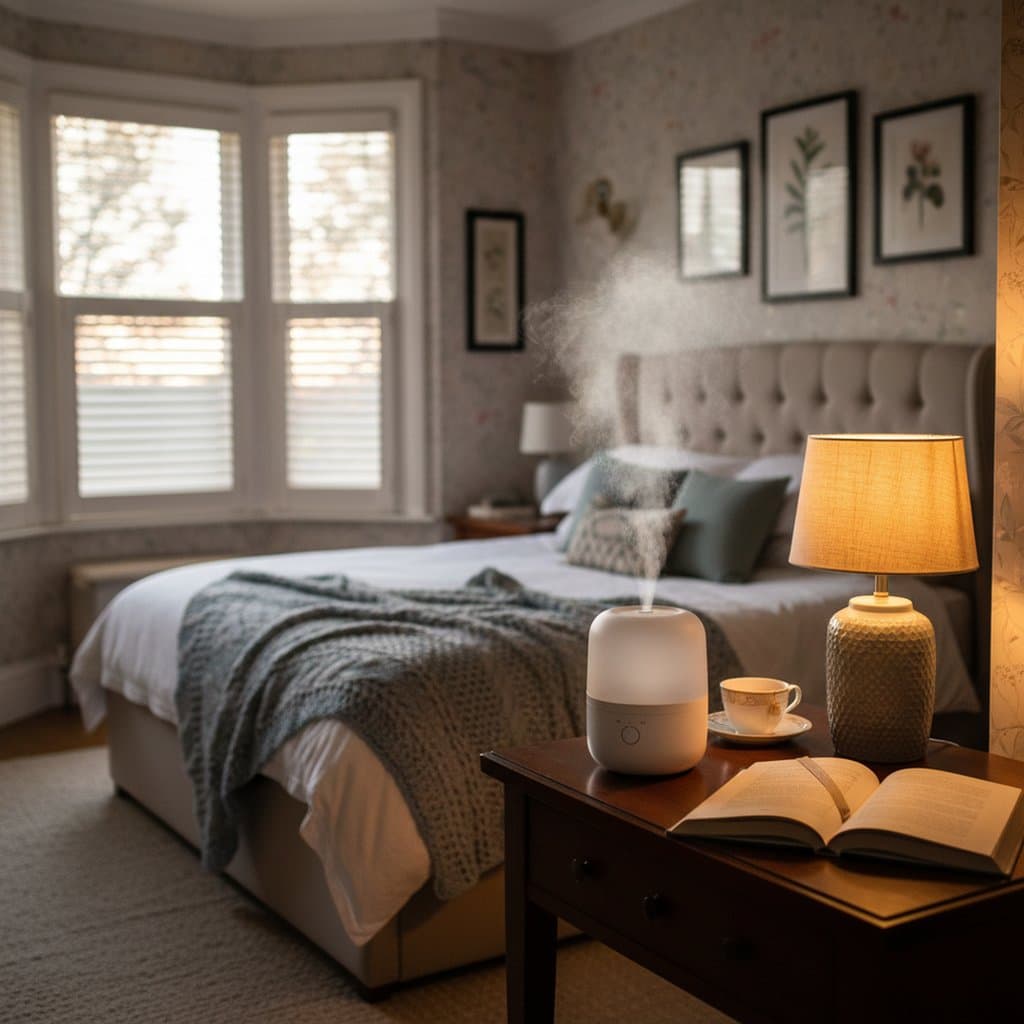
The opposite problem: air that's too dry, usually in winter once central heating is on for weeks at a time. Symptoms are dry skin, irritated sinuses, static, and cracking on wooden furniture. If your home already has a damp problem, adding a humidifier will make it worse — check for condensation or mould first.
When you need an air purifier
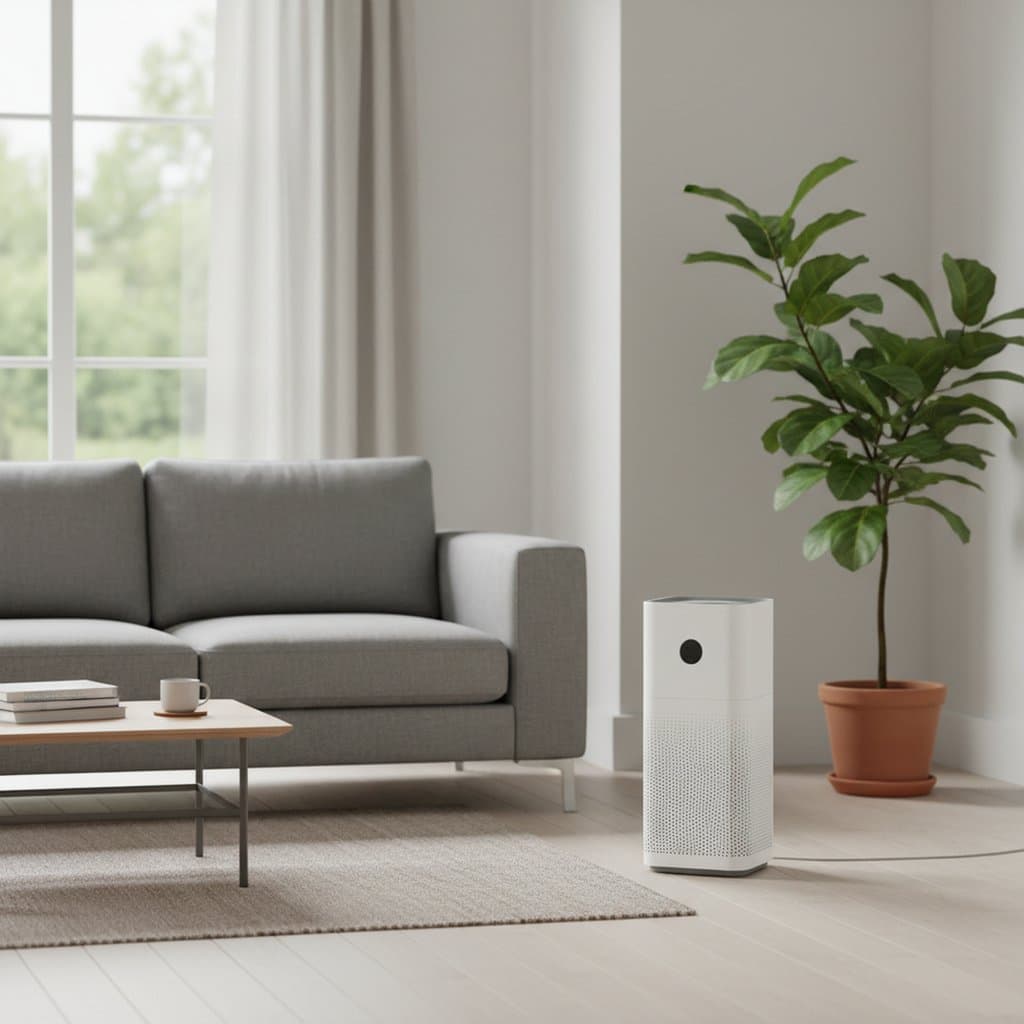
If your issue is allergies, dust, pet hair, wildfire smoke or general air quality rather than moisture, an air purifier with a HEPA filter is the right tool — it won't touch humidity levels either way. Some dehumidifiers, including the Meaco Arete Two 20L and the Ebac 2650E, include a built-in air purification mode, which covers both jobs from one unit if space is tight.
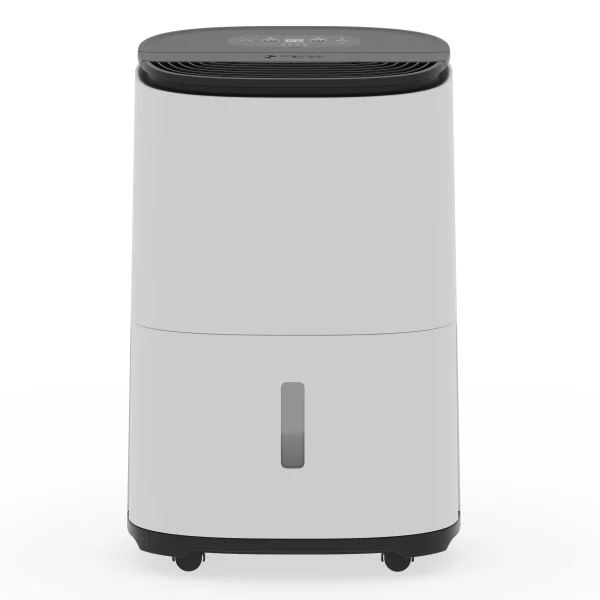
Meaco MeacoDry Arete One 12L
12 litres/day · 4.6/5
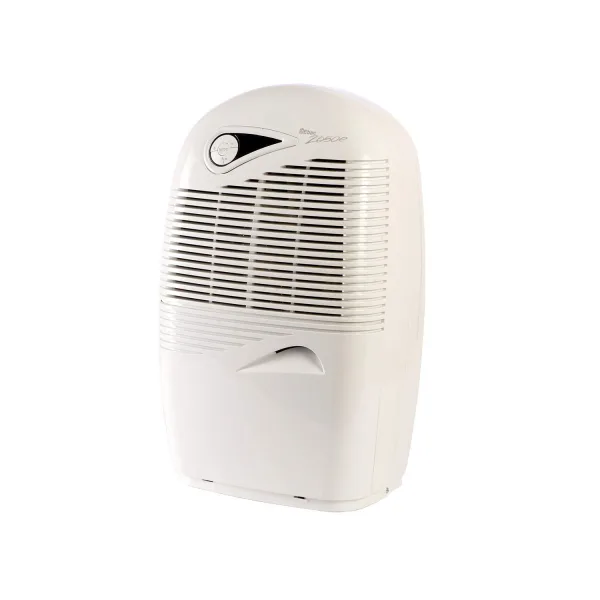
Ebac 2650E 18 Litre Dehumidifier with Air Purification and Laundry Mode
18 litres/day · 4.6/5
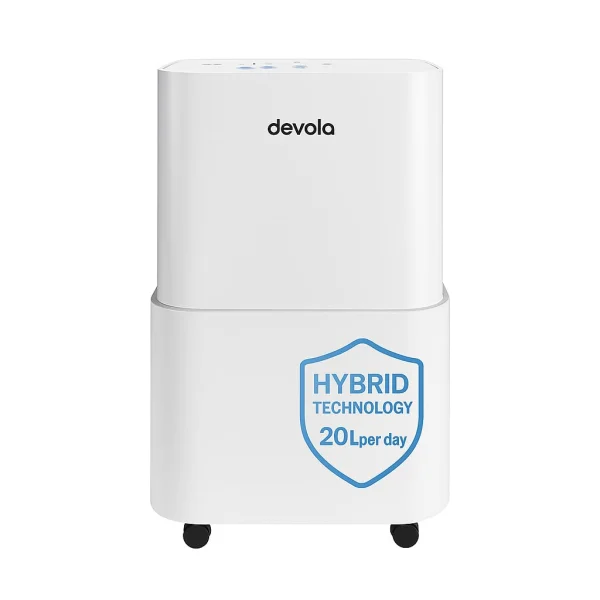
Devola DVHA20L 20L/Day Hybrid Dehumidifier & Air Purifier
20 litres/day · 4.7/5
Can you need more than one?
Yes, and it's common. A damp bedroom with high pollen sensitivity might genuinely benefit from a dehumidifier during autumn/winter and an air purifier year-round — they don't conflict with each other, since one manages moisture and the other manages particles. Running a humidifier and a dehumidifier in the same room at the same time, on the other hand, is just wasted electricity fighting itself.
What humidity level should you aim for?
For most UK homes the comfortable range is 40-60% relative humidity, and around 50% is a sensible target. Below that range the air starts to feel dry and static builds up. Above it, dust mites and mould find it much easier to thrive, and condensation forms on cold surfaces such as single-glazed windows and external walls. The only reliable way to know where you stand is a hygrometer, a small humidity meter that sits on a shelf. Check it in the room you are worried about at different times of day, because humidity swings widely between a shower, cooking and overnight. A reading that stays above 60% for days points to a dehumidifier. One that sits below 40% all winter points to a humidifier.
Common mistakes to avoid
Running a dehumidifier with windows open. The unit keeps pulling in fresh damp air and never reaches its target. Close doors and windows while it runs. Buying a humidifier to fix a stuffy room. Stuffy and damp are different problems. Check for condensation and mould before adding moisture. Hiding the unit in a corner. Dehumidifiers and purifiers both need air to move freely around the intake and outlet, so leave a gap around the machine. Forgetting maintenance. Humidifier tanks need regular cleaning, because standing water can grow bacteria. Dehumidifier tanks need emptying and rinsing, and purifier filters need replacing on the schedule in the manual.
Quick way to decide
Check a hygrometer (humidity meter) if you have one, or just look for the tell-tale signs: window condensation, musty smell or visible mould → dehumidifier. Dry throat, static shocks, cracking wood → humidifier. Sneezing, dust, pet allergies with no visible damp → air purifier. If you're still unsure, a dehumidifier is the safer default for a typical UK home, since damp and condensation are by far the more common indoor air problem here than air that's too dry.
Ready to compare models? See our best dehumidifier uk comparison →
Frequently asked questions
Will a dehumidifier make my house too dry?+
In a normal UK home, no — most dehumidifiers target 45-55% relative humidity, which is the comfortable range health guidance recommends, not bone-dry. Smart humidity modes (like Meaco's or Ebac's) switch off automatically once that target is hit.
Can I use a humidifier and dehumidifier in the same house?+
Yes, in different rooms with different problems — for example a dry bedroom upstairs (humidifier) and a damp, poorly-ventilated bathroom or basement downstairs (dehumidifier). Just don't run both in the same room.
Does an air purifier help with damp or mould smell?+
It can reduce the smell by filtering airborne mould spores, but it does nothing to address the excess moisture causing the mould in the first place — you need a dehumidifier (and ideally better ventilation) to actually solve a damp problem.
What is the ideal humidity level for a home in the UK?+
Most UK guidance points to 40-60% relative humidity, with about 50% as a comfortable target. Below 40% the air feels dry, and above 60% dust mites and mould grow more easily. A small hygrometer is the simplest way to check.
Does a dehumidifier with air purification replace a standalone air purifier?+
It covers both jobs in one unit, which helps when space is tight. A built-in filter will catch dust and some allergens, but a dedicated purifier is designed around air filtration, so check the specs if allergies are your main concern.