Best Dehumidifier for Bedroom (2026)
By Priya Shah, reviewed by James Whitfield · Updated
Quiet, compact dehumidifiers built for overnight use in a bedroom without disturbing your sleep.
On this page▾
Filter
Price
£134.99 – £299
Brand
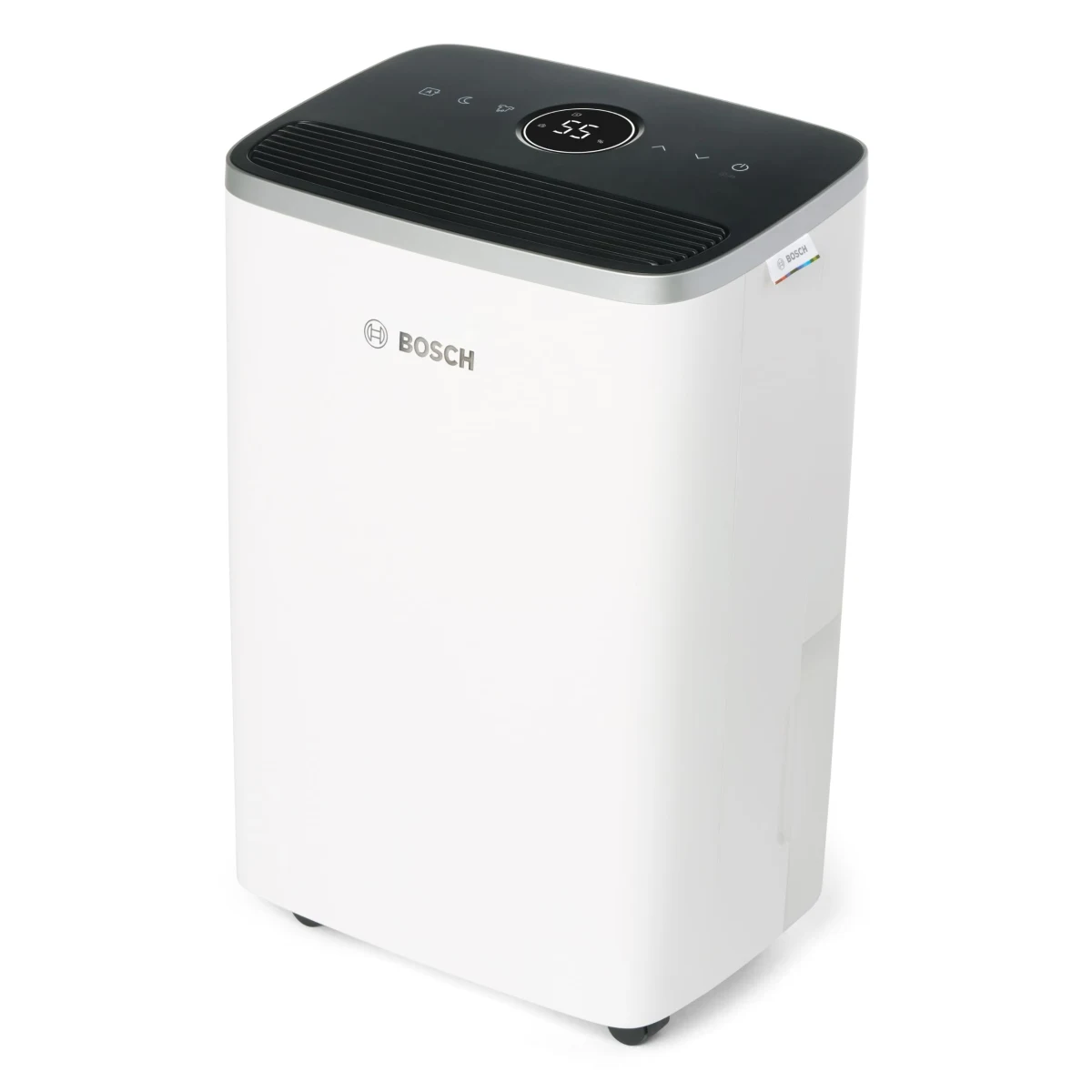
Bosch Dry 4000 Dehumidifier
A quiet, well-engineered mid-size dehumidifier from a brand with a strong reputation for reliability — the natural choice if you want dependable performance for a bedroom or mid-size room and are prepared to pay a bit more for it.
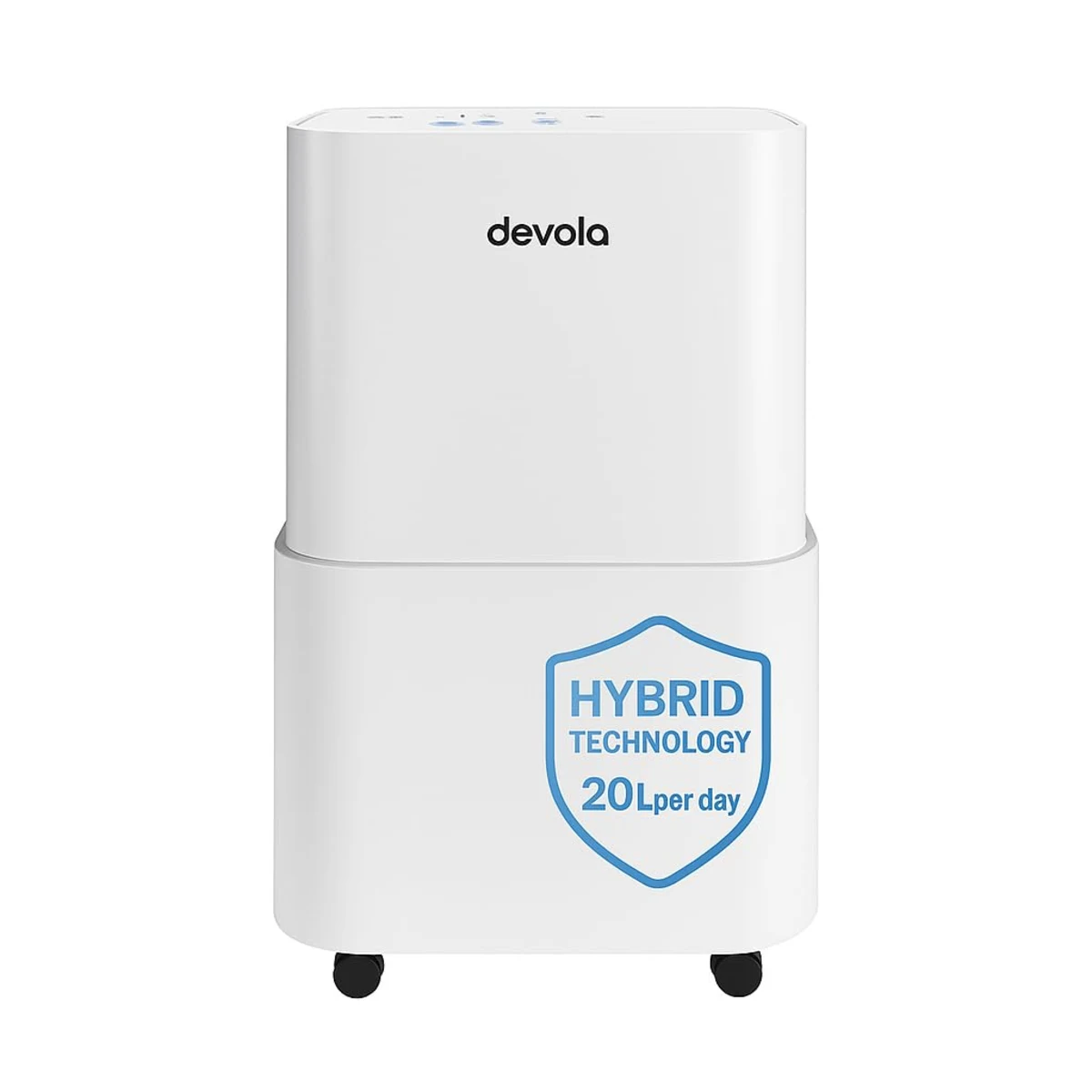
Devola DVHA20L 20L/Day Hybrid Dehumidifier & Air Purifier
The best choice if you want a single machine that tackles damp and cleans the air at the same time — genuinely useful in a home with allergies, pets, or a room that also collects cooking odours, not just a marketing bundle of two gadgets in one box.
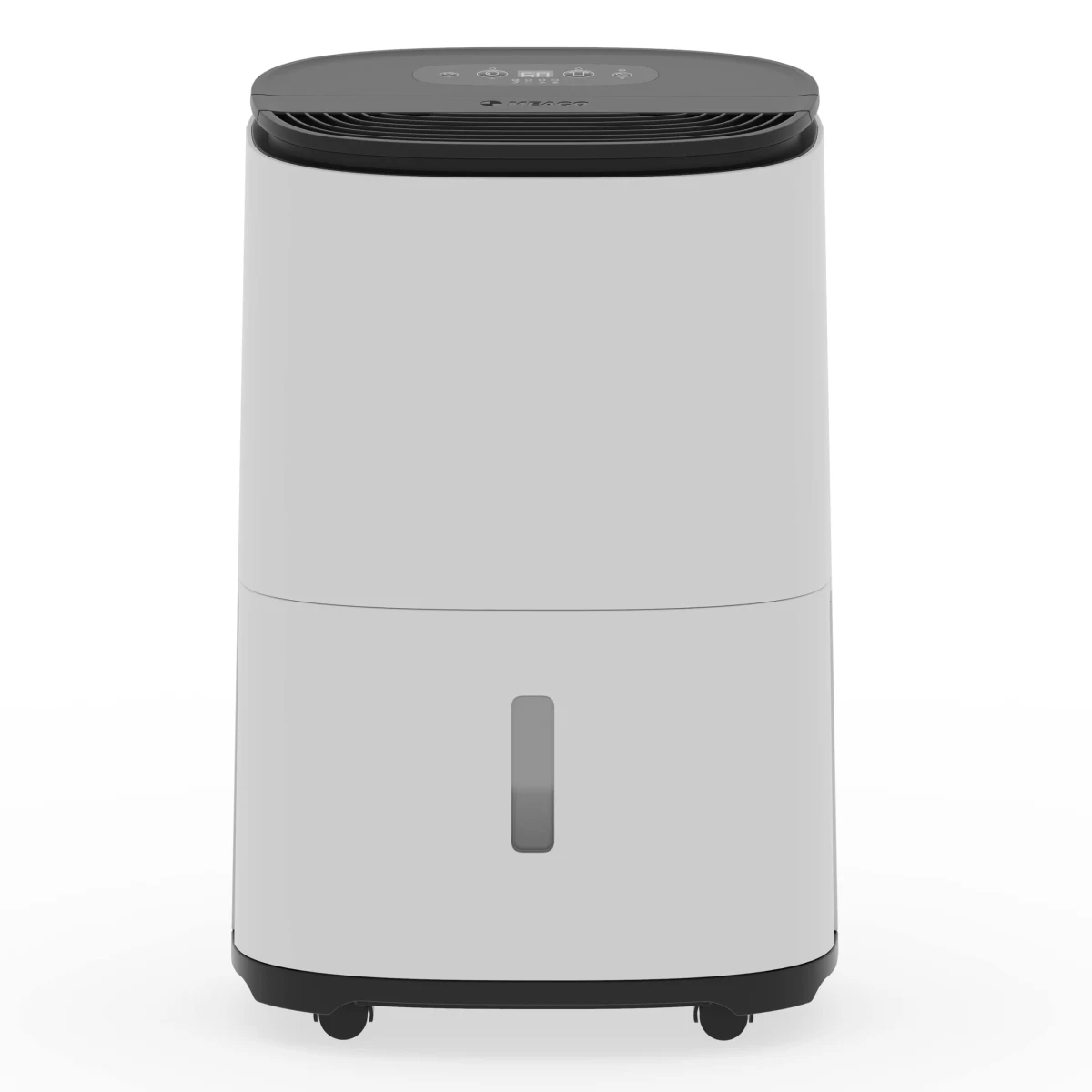
Meaco MeacoDry Arete One 12L
The best dehumidifier for a bedroom or a flat — quiet enough to sleep next to, backed by the same 5-year warranty as Meaco's bigger models, at a noticeably lower price.
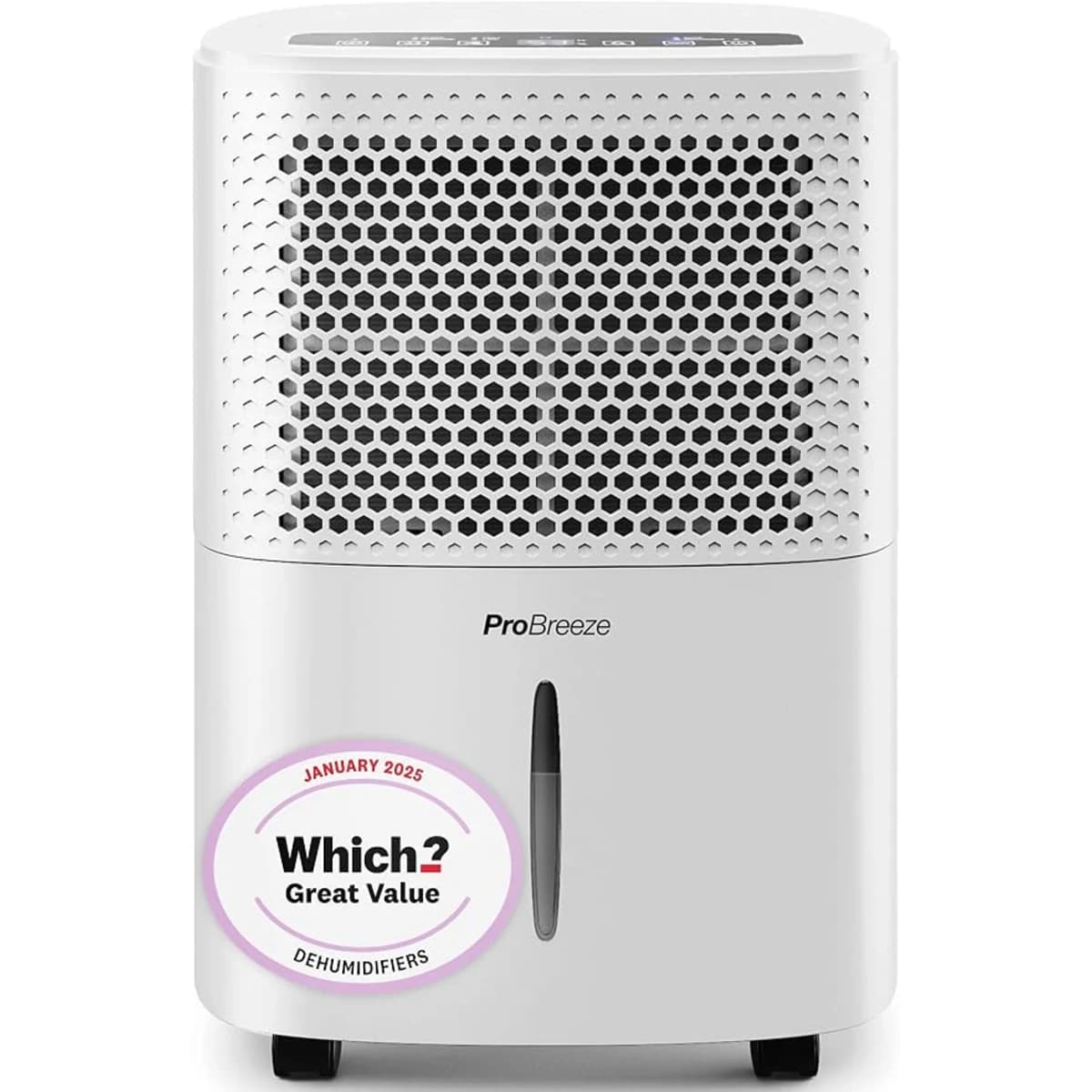
Pro Breeze 12L/Day Dehumidifier with Automatic Humidity Sensor
The best-value small-to-mid dehumidifier on Amazon.co.uk — a genuine Which? Best Buy winner with an unusually large, consistently positive review base, at a price well below the equivalent 20L models on this site.
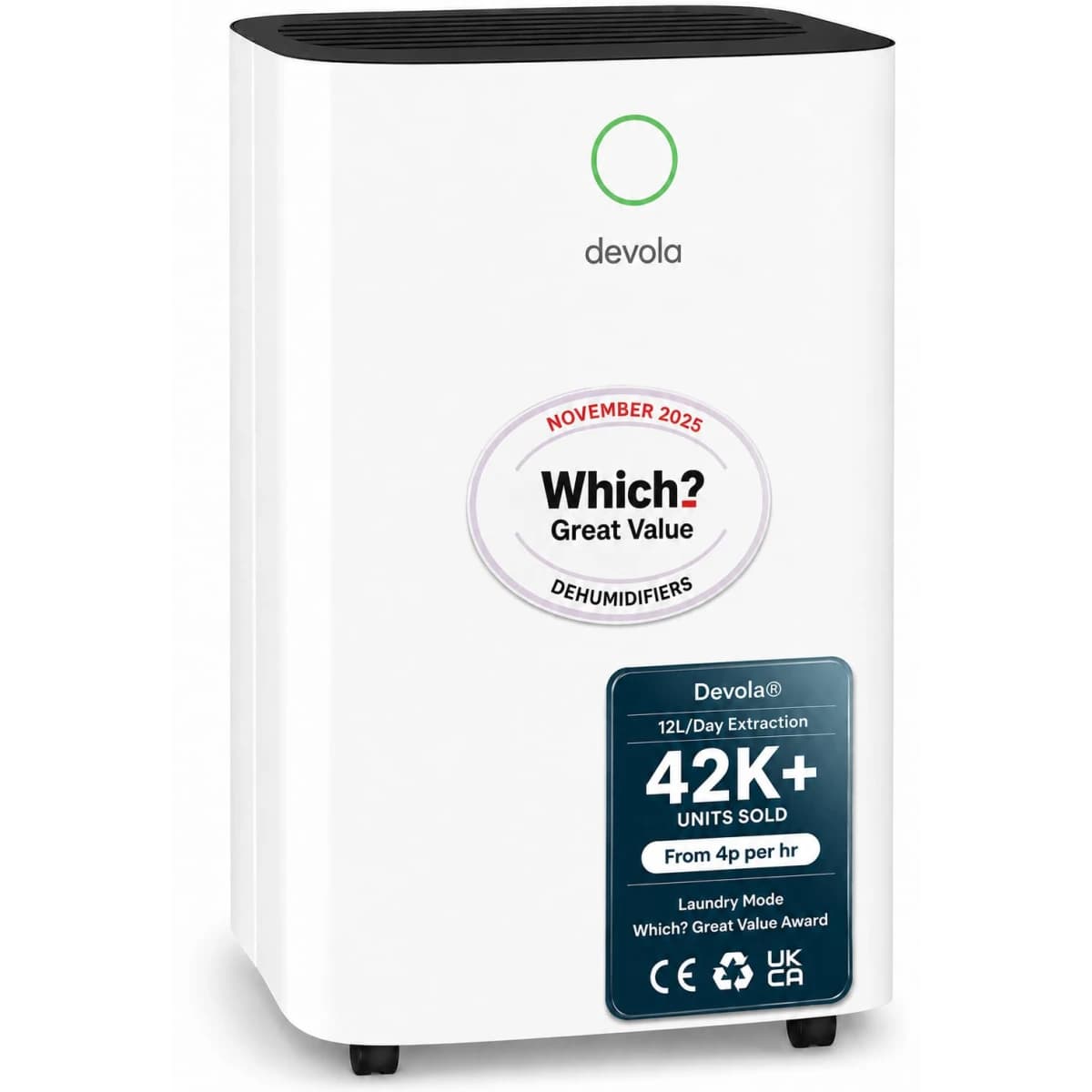
Devola DV12L Low Energy Dehumidifier
The best-value small dehumidifier on the market right now for a single room or a flat — a genuine Which? award winner that costs less to buy and run than almost anything else in its class, without cutting corners on the basics.
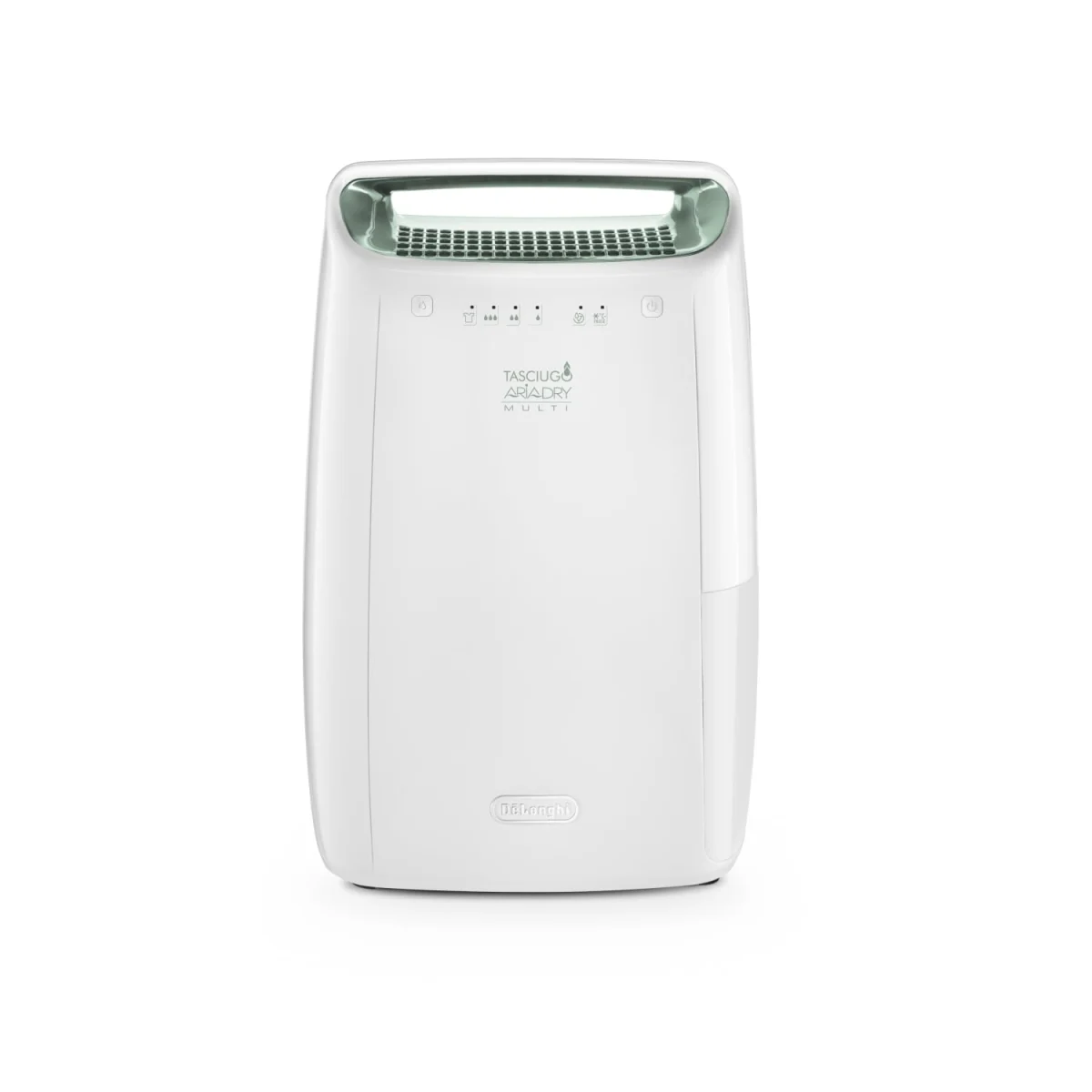
De'Longhi Tasciugo AriaDry DEX212SF
A quiet, well-filtered compressor dehumidifier that suits a bedroom or living room particularly well if allergy relief matters as much as damp control — the trade-off is a smaller tank and a premium price for what it does.
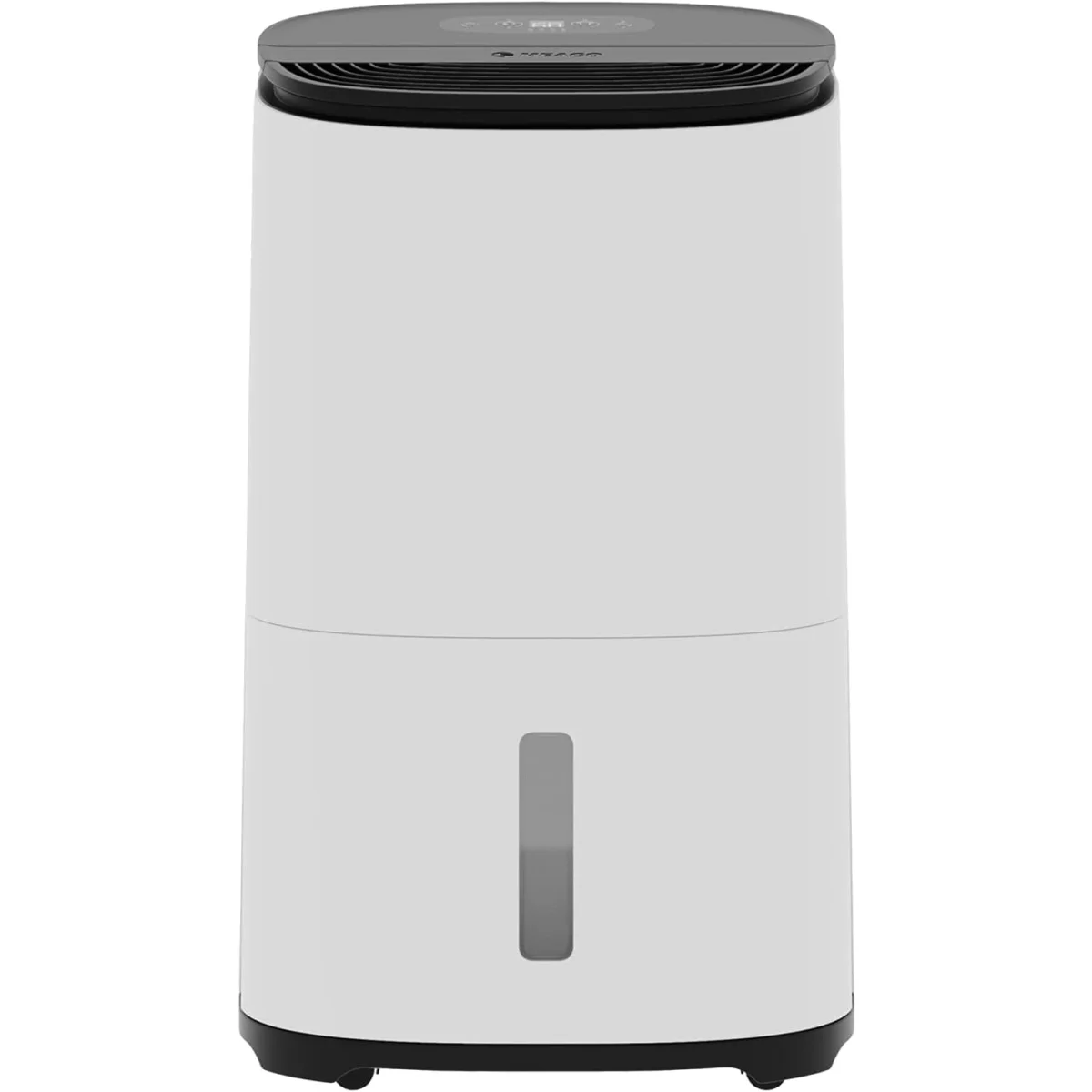
Meaco MeacoDry Arete One 20L
A quiet, well-built 20L model with Meaco's 5-year warranty and a HEPA filter, and the best fit for a family home that wants a long-lasting, set-and-forget dehumidifier without paying for Wi-Fi.
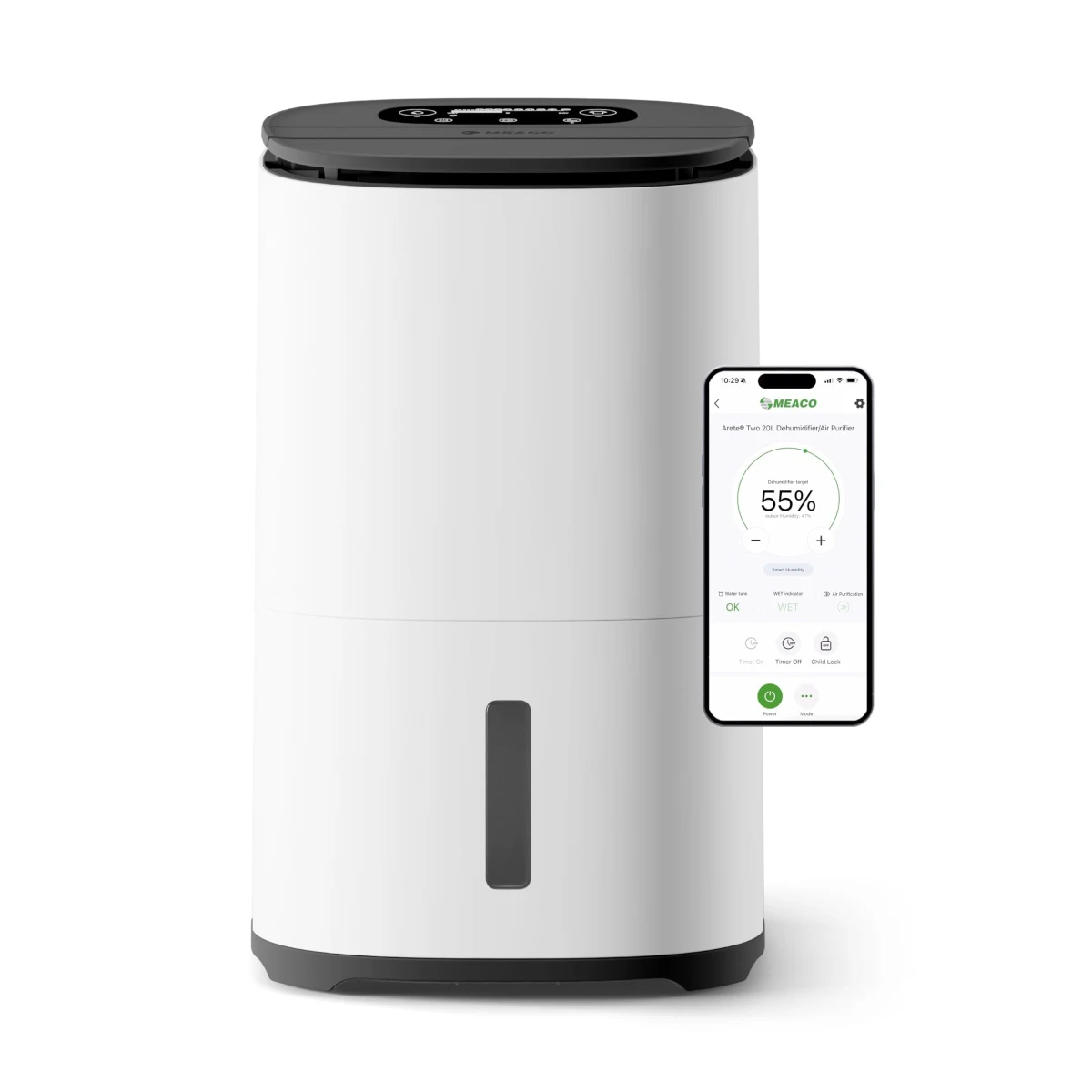
Meaco MeacoDry Arete Two 20L
The best all-round dehumidifier for a UK home battling condensation, damp or slow-drying laundry. If budget allows, this is the one we'd buy first.
Best Dehumidifier for Bedroom: the short list
- Top rated: Bosch Dry 4000 Dehumidifier (4.7/5).
- Most extraction: Devola DVHA20L 20L/Day Hybrid Dehumidifier & Air Purifier (20 litres/day).
- Size the unit to the room, and check the tank size against how often you are willing to empty it.
| Model | Type | Capacity | Tank | Noise | Rating |
|---|---|---|---|---|---|
| Bosch Dry 4000 Dehumidifier | Compressor | 16 litres/day | 2.5 litres | 38 dB(A) | 4.7/5 |
| Devola DVHA20L 20L/Day Hybrid Dehumidifier & Air Purifier | Compressor | 20 litres/day | 2.89 litres | — | 4.7/5 |
| Meaco MeacoDry Arete One 12L | Compressor | 12 litres/day | 2.5 litres | 35 / 38 / 44 dB(A) across 2… | 4.6/5 |
| Pro Breeze 12L/Day Dehumidifier with Automatic Humidity Sensor | Compressor | 12 litres/day | 1.8 litres | Under 38 dB(A) | 4.6/5 |
| Devola DV12L Low Energy Dehumidifier | Compressor | 12 litres/day | 2 litres | 36 dB(A) at full speed | 4.6/5 |
| De'Longhi Tasciugo AriaDry DEX212SF | Compressor | 12 litres/day | 2.1 litres | 36 dB(A) | 4.5/5 |
| Meaco MeacoDry Arete One 20L | Compressor | 20 litres/day (rated at 30°C, 80% humidity) | 4.8 litres | 40 dB(A) on the lowest… | 4.5/5 |
| Meaco MeacoDry Arete Two 20L | Compressor | 20 litres/day | 4.8 litres | 38 / 40 / 50 dB(A) across 3… | 4.4/5 |
Why noise is the deciding factor for a bedroom dehumidifier
A dehumidifier that's perfectly acceptable in a utility room or garage can be genuinely disruptive next to a bed. That's why, out of every spec on a dehumidifier's data sheet, noise level in decibels (dB) matters more for a bedroom than extraction rate, tank size or even price — a unit you can't sleep next to won't get used overnight, which defeats the point of buying one for a bedroom in the first place.
For context: 30dB is roughly a whisper, 40dB is a quiet library, and most standard 20L compressor dehumidifiers run at 45-50dB or louder on their normal setting. The models compared on this page run at 35-38dB on their lowest speed — genuinely in whisper-to-quiet-library territory, which most owners describe as a background hum they stop noticing after the first night rather than something that disrupts sleep.
The other bedroom-specific feature worth checking is a dedicated Night Mode — dimming or switching off the display and locking the fan to its quietest setting, so a bright LCD screen isn't glowing in a dark room. Both models compared here include it; it's a feature that's easy to overlook on a spec sheet but makes a real difference at 2am.
It's also worth separating two different things people mean by "quiet": the absolute dB figure, and how intrusive the sound actually is. A steady, low-pitched hum at 38dB is generally far less disruptive to sleep than an intermittent higher-pitched cycling noise at a lower dB figure — this is part of why Meaco's Arete range, which runs a continuous low hum on its Smart Humidity setting rather than cycling on and off abruptly, tends to get better real-world sleep reviews than the raw decibel number alone would suggest.
The two dehumidifiers we've sourced for bedroom use
Both models we've verified for this comparison are from Meaco, which is consistently the brand UK reviewers point to first for bedroom use, on the strength of its Arete range's noise figures specifically.
The Meaco Arete One 12L (£179.99) is the quieter of the two at 35dB on its lowest setting, and the one we'd recommend first for a single bedroom or a flat — it's sized for 1-3 bedroom homes, has a smaller footprint (47.2 x 31.9 x 23.7cm) and lower weight (10.7kg) than its bigger sibling, and carries the same 5-year warranty and built-in HEPA H13 air purifier.
The Meaco Arete Two 20L (£299.99) runs at 38dB on its lowest setting — still whisper-quiet, but a notch louder than the Arete One, since it's moving more air to cover a bigger space. It's the better choice if the same unit also needs to handle a larger bedroom, an en-suite, or double up on laundry-drying duty during the day.
Read the full Arete One 12L review and Arete Two 20L review for complete specification tables and our detailed verdicts on who each one suits.
Weight and moving it between rooms. If the dehumidifier needs to move from a bedroom to a landing during the day and back at night, the Arete One's 10.7kg is noticeably easier to lift regularly than the Arete Two's 15.1kg — both include castors, but the lighter unit is the more realistic one to actually move every day rather than leave permanently in one room.
Tank size and overnight emptying. The Arete One's smaller 2.5-litre tank fills faster than the Arete Two's larger tank when working hard in a genuinely humid bedroom, which can mean emptying it every 1-2 days rather than every 3-4 — worth factoring in if the bedroom in question has a persistent condensation problem rather than mild overnight humidity.
What to check before buying a dehumidifier for a bedroom
Noise level on the lowest setting, not the average. Manufacturers often quote a range (for example 35/38/44dB across three speeds) — the number that matters for overnight use is the lowest figure, since that's the setting you'll actually run it on at night. Ignore headline extraction-rate marketing if the noise figure isn't clearly stated for the quietest mode.
Night Mode. A genuine bedroom-specific feature: it dims or disables the display and locks the unit to its quietest fan speed automatically, so you're not relying on remembering to switch settings manually before bed.
Sizing for the room, not the house. A bedroom is a smaller, enclosed space compared with an open-plan living area — the 12L Arete One is Meaco's own recommendation for a single bedroom or flat, and sizing up to the 20L Arete Two only makes sense if the same unit also needs to serve a bigger space or double up on laundry drying.
Humidity target for sleep. Most UK health guidance recommends keeping bedroom humidity between 40-60%, with 50% as the target that discourages dust mites without drying the air uncomfortably. Both models here use a smart humidity sensor to hold that target automatically rather than running continuously overnight.
Dust mites specifically. House dust mites, one of the most common indoor allergy triggers, thrive above roughly 50% relative humidity and struggle to survive below it — this is the underlying reason the 50% target recommended by UK health guidance isn't an arbitrary number, and why a bedroom (where dust mites concentrate in bedding, mattresses and carpets) benefits more from consistent humidity control than almost any other room in the house.
Allergy and asthma considerations. Both Meaco Arete models include a built-in HEPA H13 air purifier alongside the dehumidifying function — a genuine secondary benefit for a bedroom used by someone with allergies or asthma, tackling airborne dust and mould spores as well as humidity.
Running cost overnight. Left in Smart Humidity mode rather than run manually on full power, both models cost only a few pence an hour (roughly 3-5p depending on model) — genuinely negligible for overnight use across a typical winter.
Warranty for a nightly-use appliance. Both Meaco models carry the same 5-year parts-and-labour warranty regardless of size, which matters more than usual for a bedroom unit — a dehumidifier run every single night accumulates far more operating hours over a year than one used occasionally in a utility room, so a longer warranty is a genuinely more valuable safeguard here than on an occasional-use unit elsewhere in the house.
Why Meaco leads for bedroom use specifically
Of the three brands compared across this site, Meaco is the clear pick for a bedroom specifically — its Arete range is consistently reported as the quietest of the three at equivalent capacity, and it's the only one of the three to market a dedicated Night Mode as standard across its range.
Pro Breeze's full-size 20L OmniDry runs under 38dB on paper — close to the Meaco Arete Two — but doesn't currently market an equivalent Night Mode feature in our comparison, and its shorter 1-year warranty matters less for overnight safety but more for long-term value if the unit runs nightly for years. Its 500ml mini unit is near-silent by design thanks to its Peltier technology having no compressor, but only suits a small space rather than a full bedroom's worth of air.
Ebac's current 2650E doesn't market a dedicated quiet or night mode either, and its main strength — Intelligent Defrost down to 3°C — is irrelevant in a normally heated bedroom, where temperature rarely drops anywhere near the range where that technology earns its keep. For bedroom use specifically, it's the weakest fit of the three brands on this site.
None of this means Pro Breeze or Ebac are poor products generally — see our full Pro Breeze and Ebac brand comparisons for where each one genuinely excels. It specifically means that for the single criterion that matters most in a bedroom — noise you can sleep through, night after night — Meaco's Arete range is the better-evidenced choice of the three on this site, based on both published spec sheets and the pattern of owner reviews mentioning overnight use specifically.
Which model fits your specific bedroom situation
A single bedroom, box room or flat. The Arete One 12L is sized correctly, quieter than the bigger model, and cheaper to buy — the strongest default pick for the most common bedroom search.
A large or master bedroom, or a room that also needs to double as a laundry-drying space during the day. The Arete Two 20L has the extraction rate to cover the extra square footage and the dedicated laundry mode for daytime use, at a small cost in extra noise (38dB vs 35dB) overnight.
A child's bedroom or nursery. Neither model is marketed specifically for this use case, but the same noise-level logic applies even more strongly — the Arete One's 35dB and Night Mode make it the safer choice to run continuously near a sleeping child, alongside the HEPA H13 air purifier's benefit for a developing respiratory system.
A bedroom with an allergy or asthma sufferer. Both models' built-in HEPA H13 air purifier is a genuine secondary reason to choose Meaco over a rival that only dehumidifies without also filtering airborne allergens.
A whole house rather than one bedroom. If condensation or damp is a problem in multiple rooms, not just where you sleep, see our full best dehumidifier UK comparison rather than sizing a single bedroom unit to cover the whole property.
Someone who works night shifts and sleeps during the day. The same noise-level logic applies regardless of what time the sleep happens — daytime household noise (traffic, other occupants, deliveries) can actually make a low hum less noticeable than it would be at 3am in an otherwise silent house, but the same 35dB Arete One and Night Mode combination remains the safest default choice either way.
What buyers say about using these dehumidifiers in a bedroom
Our verdict draws on the pattern across verified Amazon.co.uk reviews specifically mentioning bedroom and overnight use, cross-checked against Meaco's own published noise specifications — the same approach we take across every comparison on this site.
The most repeated praise for both Arete models, specifically from reviewers using them in a bedroom, is that the lowest setting genuinely becomes background noise within the first night or two — described repeatedly as "you forget it's on" rather than merely "quiet for a dehumidifier." The Night Mode feature is the second most-cited reason bedroom buyers choose Meaco over a cheaper alternative, since it removes the need to manually adjust settings before sleep.
A further recurring theme specific to bedroom reviewers is a noticeable reduction in the musty smell that often accompanies overnight condensation on windows and in wardrobes — several owners report this as a more immediately noticeable change than the humidity percentage itself, since it's something you smell the moment you walk into the room rather than something you have to check on a display.
The most repeated criticism, specific to bedroom use, comes from a minority of light sleepers who report noticing even the 35dB setting on the Arete One, particularly in an otherwise silent room — worth factoring in if you're a genuinely light sleeper rather than assuming the dB figure alone guarantees an unnoticeable result for everyone.
A secondary but recurring theme among bedroom-specific reviewers is genuine surprise at the humidity difference on bedroom windows within the first week — condensation that used to form overnight on cold glass largely stops once the unit is run consistently at the 50% target, which several reviewers cite as the concrete result that justified the purchase to them in the first place, rather than an abstract improvement they had to take on faith.
Which dehumidifier for a bedroom should you buy
If you need it for a single bedroom, box room or flat, the Meaco Arete One 12L is the strongest pick — quieter, smaller, and cheaper than the alternative, with more than enough capacity for the job.
If the same unit also needs to cover a bigger bedroom or double up on laundry drying, step up to the Meaco Arete Two 20L — a small increase in noise (38dB vs 35dB) for a meaningfully larger extraction rate.
If allergies or asthma are a factor, either Meaco model's built-in HEPA H13 air purifier is a genuine bonus neither Ebac nor Pro Breeze currently matches in our comparison.
If your damp problem extends beyond one bedroom, don't size a bedroom-specific unit to cover the whole house — see our full best dehumidifier UK comparison for the right pick at whole-house scale.
Whichever model you choose, the same discipline applies for bedroom use specifically: run it in Smart Humidity mode with Night Mode engaged rather than manually on full power, target 50% rather than trying to dry the air as much as possible, and place it a few centimetres clear of the wall or furniture so airflow isn't restricted — a unit pushed into a corner has to work harder and run louder for longer to hit the same target.
Frequently asked questions
What's the best dehumidifier for a bedroom that won't disturb my sleep?+
The Meaco Arete One 12L is our top pick for a bedroom — it runs at just 35dB on its lowest setting, close to a whisper, and includes a dedicated Night Mode that dims the display and locks the fan to its quietest speed automatically.
How many decibels is quiet enough for a dehumidifier to run overnight?+
Under 40dB is the general threshold for a bedroom — 30dB is roughly a whisper and 40dB is a quiet library. Most standard compressor dehumidifiers run at 45-50dB on their normal setting, so check the lowest-speed figure specifically rather than an average across all speeds.
Do I need the 12L or the 20L Meaco Arete for a bedroom?+
For a single bedroom or a flat, the 12L Arete One is sized correctly and is quieter than the 20L Arete Two (35dB vs 38dB). Only step up to the 20L model if the same unit also needs to cover a bigger space or handle laundry drying during the day.
Is a bedroom dehumidifier safe to leave running all night?+
Yes — both Meaco Arete models use a smart humidity sensor that switches the unit off once the target humidity is reached, rather than running continuously, and cost only a few pence an hour in Smart Humidity mode.
Does a bedroom dehumidifier help with allergies or asthma?+
The Meaco Arete range includes a built-in HEPA H13 air purifier alongside the dehumidifying function, which filters airborne dust and mould spores as well as controlling humidity — a genuine secondary benefit for allergy or asthma sufferers that neither Ebac's nor Pro Breeze's current range matches.
Are dehumidifiers actually good for your health?+
Yes, for the specific problems excess moisture causes. Bringing a room down to the 40-60% humidity range health guidance recommends reduces mould spores and helps starve the dust mites that trigger asthma and allergy symptoms — dust mites thrive above roughly 50% humidity and struggle to survive below it. A dehumidifier doesn't purify the air on its own (it manages moisture, not particles), which is why the Meaco Arete's built-in HEPA filter is a genuine bonus rather than the main event.
Can a dehumidifier help with dust mites in a bedroom?+
Indirectly, yes — dust mites need humidity above about 50% to survive, and keeping a bedroom at the 40-50% level a Meaco Arete targets makes the environment far less hospitable to them over a few weeks. It won't remove mites already in a mattress or carpet the way a specialist vacuum or wash cycle would, but it stops the population building back up.
Sources and further reading
Related searches
Dehumidifier for bedroom mould — does it actually work?
Yes, provided the mould is caused by excess humidity rather than a structural leak. Running a dehumidifier overnight targeting 50-55% humidity stops the moisture that mould needs to grow. For mould that's already visible, combine it with proper ventilation (opening a window briefly during the day, or a bathroom extractor fan) rather than relying on the dehumidifier alone.
Best dehumidifier for a small bedroom UK
For a single bedroom or flat, Meaco's own sizing guide points to a 10-12L/day model — going bigger than that just means paying for capacity you won't use in one room. The Meaco Arete One 12L is the model most often recommended specifically for this use case.
Explore more dehumidifier guides
17 dehumidifiers compared · Amazon.co.uk prices checked October 2026