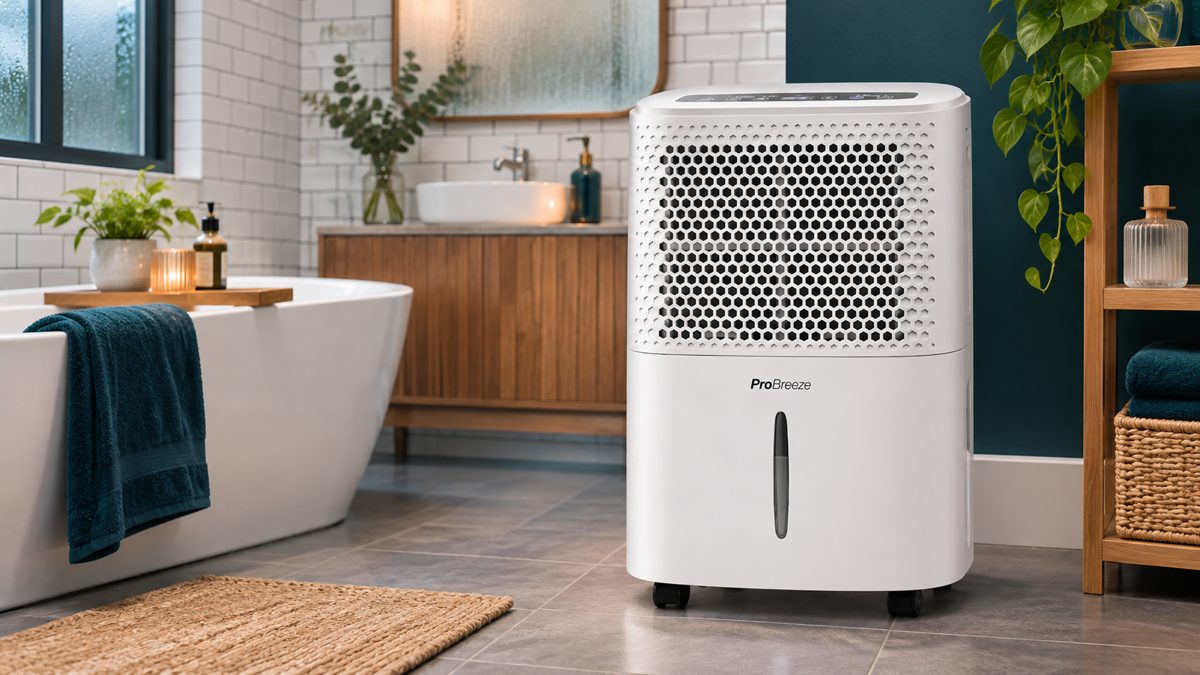
For a single bedroom, box room or small flat, run it in Auto mode targeting 45-55% — the review pattern consistently describes the unit clearing condensation on windows within a few days of regular use, in caravans, conservatories and older flats with persistent damp.
For overnight use, Sleep Mode dims the display and holds the fan on its quietest setting — several long-term reviewers report running it next to the bed without disruption, though a genuinely light sleeper may still notice the compressor cycling on and off.
Because the tank is smaller than the 20L OmniDry's, expect to empty it daily in a genuinely humid room during the first few weeks of use, tapering off as ambient humidity drops toward the target.
Where you put it matters as much as the settings. Stand the unit in the middle of the room, or at least a few centimetres clear of walls and curtains, so air can be drawn in and pushed out without obstruction. Keep the door and windows shut while it runs; a sealed room is far easier to dry than one constantly topped up with damp air from the hallway. The castors make it simple to roll between a bedroom and a living space, but at roughly 9 kg it is worth lifting by the handle rather than dragging over thick carpet, and always empty the tank first.
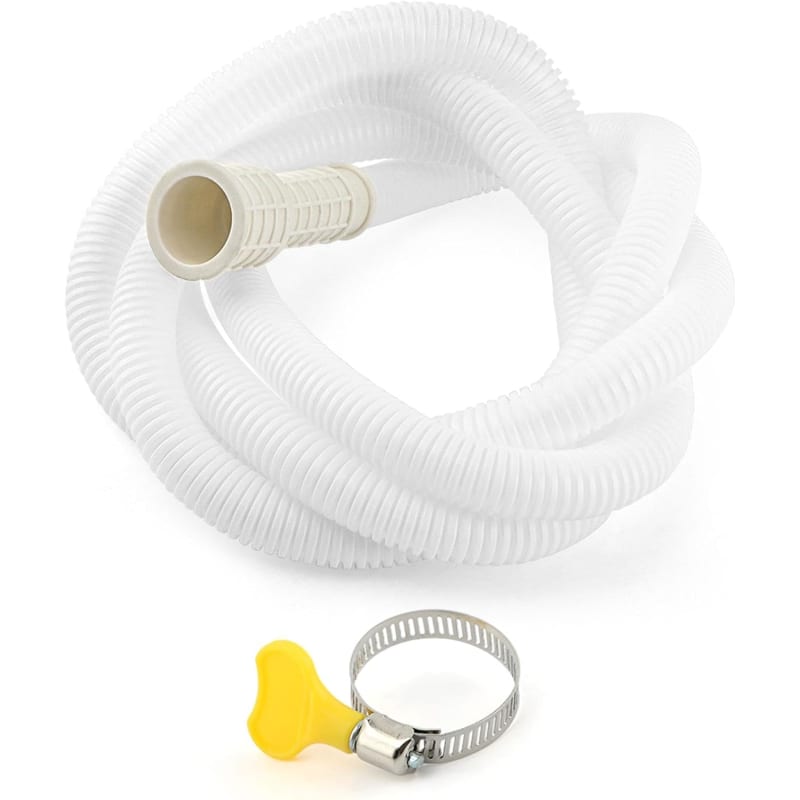
Emptying and draining is the routine you will notice most. According to the specs, the tank holds 1.8 litres, and the unit switches itself off when it is full, so a tank left unemptied overnight in a humid room simply means the room stops drying. Pour the water out, slot the tank back firmly and it restarts. If daily emptying gets tedious, the optional drainage hose mentioned in the accessories section lets the water run to a sink or drain instead. Treat that as a convenience rather than a necessity for a small bedroom.
Cleaning and running cost are both straightforward. Switch it off and unplug it before touching the air filter, then rinse or vacuum off the dust as the manual describes and let it dry fully before refitting. A clogged filter forces the fan to work harder and cuts extraction, and buyers who mention the compressor getting louder over time are a good reminder not to skip this. For running costs, Pro Breeze quotes an hourly figure in the specs; multiply that by the hours it actually runs and you have your daily cost. Because the humidistat cycles the compressor off once the target is reached, real-world running time is normally well below 24 hours, especially once the room has dried out.