Best Dehumidifier for Drying Clothes (2026)
By Priya Shah, reviewed by James Whitfield · Updated
Dehumidifiers with a dedicated laundry mode that dry indoor washing faster without a tumble dryer.
On this page▾
Filter
Price
£139.8 – £315
Brand
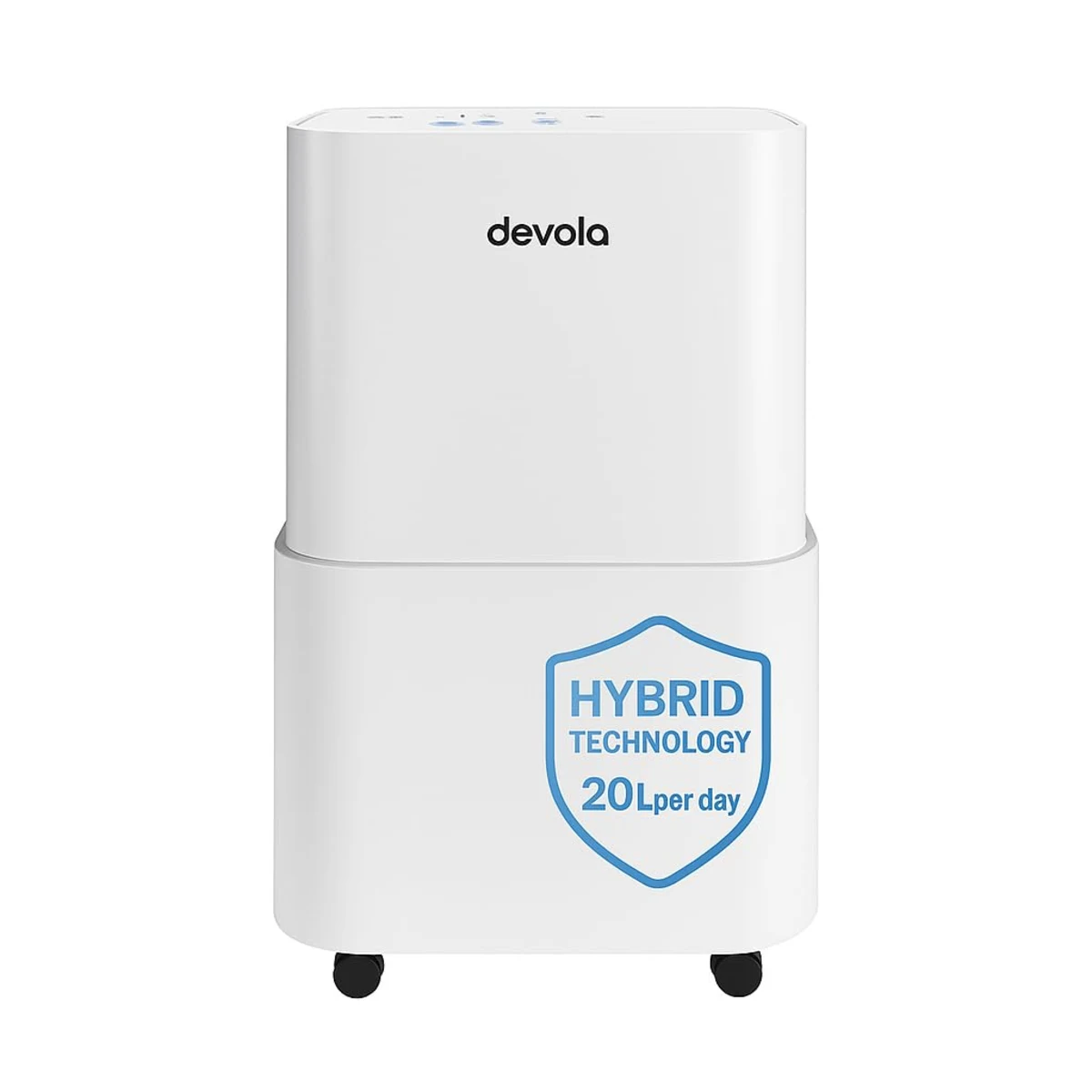
Devola DVHA20L 20L/Day Hybrid Dehumidifier & Air Purifier
The best choice if you want a single machine that tackles damp and cleans the air at the same time — genuinely useful in a home with allergies, pets, or a room that also collects cooking odours, not just a marketing bundle of two gadgets in one box.
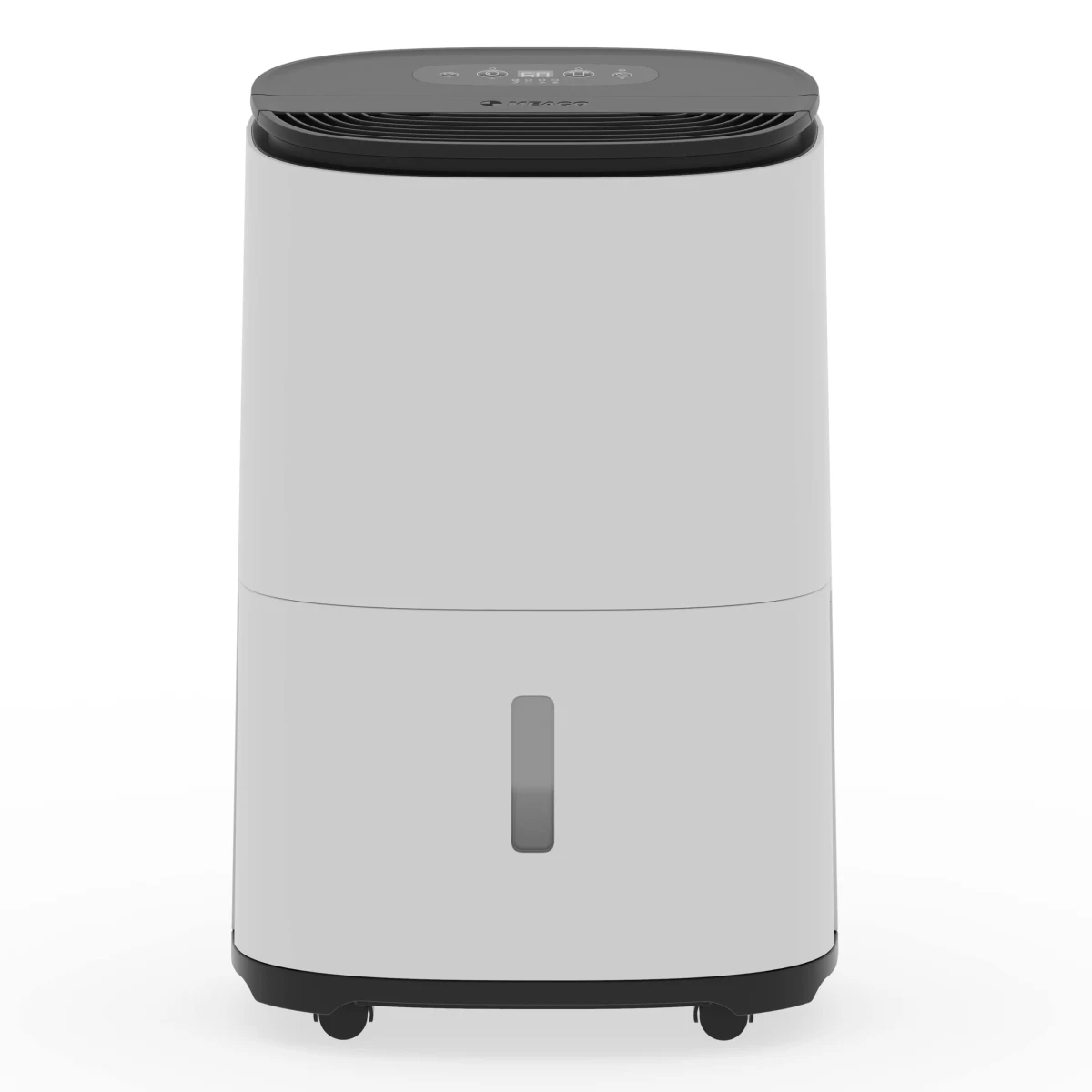
Meaco MeacoDry Arete One 12L
The best dehumidifier for a bedroom or a flat — quiet enough to sleep next to, backed by the same 5-year warranty as Meaco's bigger models, at a noticeably lower price.
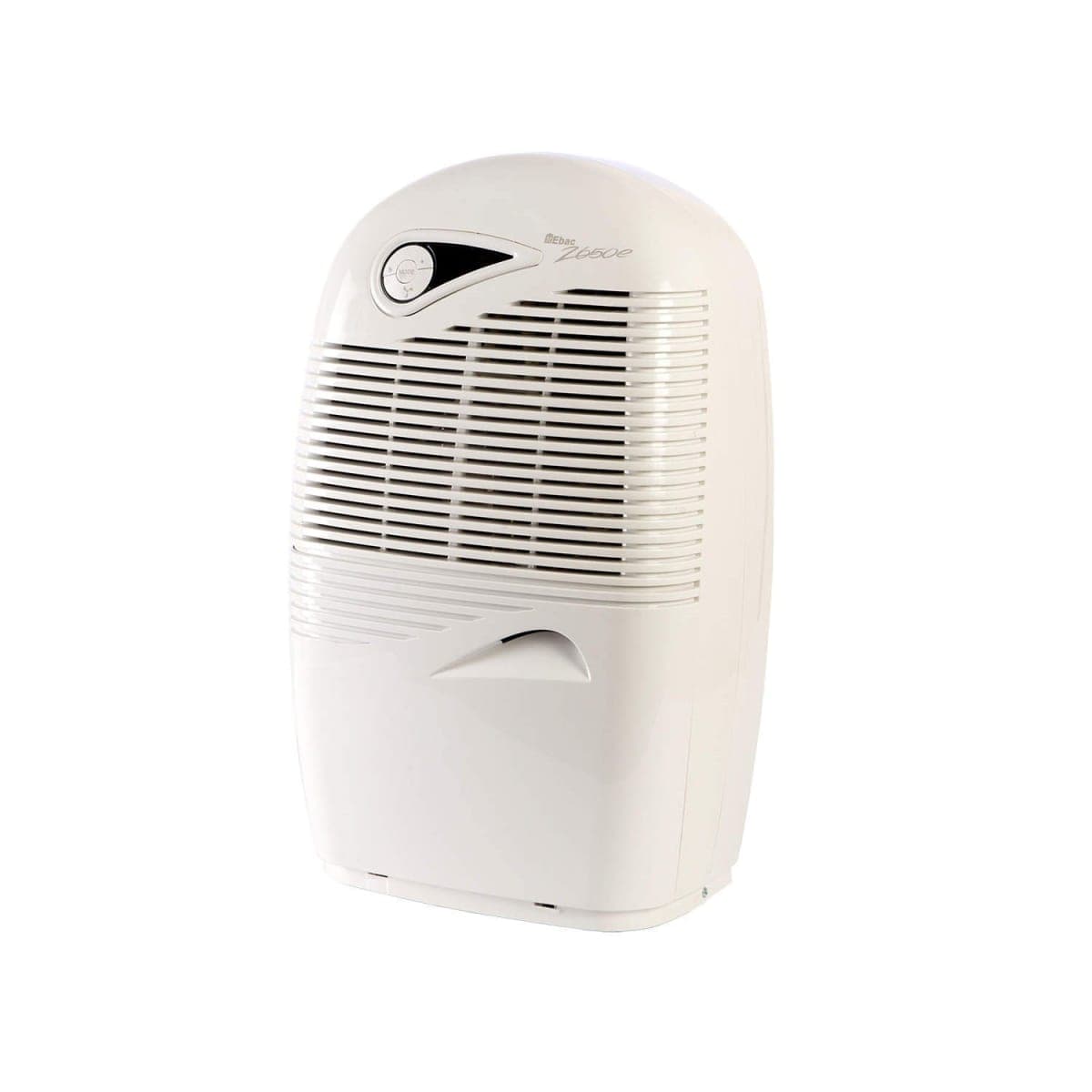
Ebac 2650E 18 Litre Dehumidifier with Air Purification and Laundry Mode
The dehumidifier to buy if you specifically want a British-made unit built to last well over a decade, and don't mind paying a premium and giving up app control to get it.
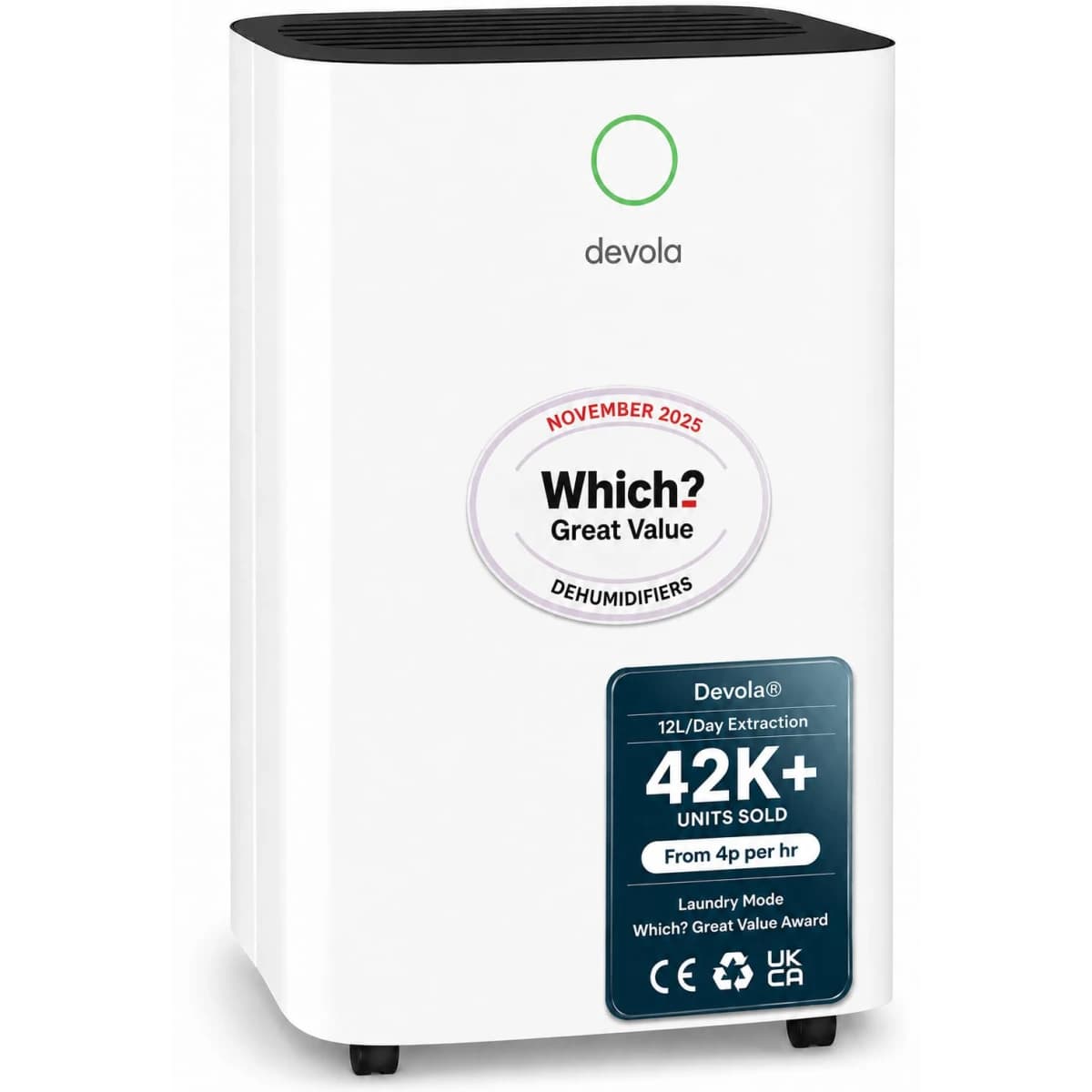
Devola DV12L Low Energy Dehumidifier
The best-value small dehumidifier on the market right now for a single room or a flat — a genuine Which? award winner that costs less to buy and run than almost anything else in its class, without cutting corners on the basics.
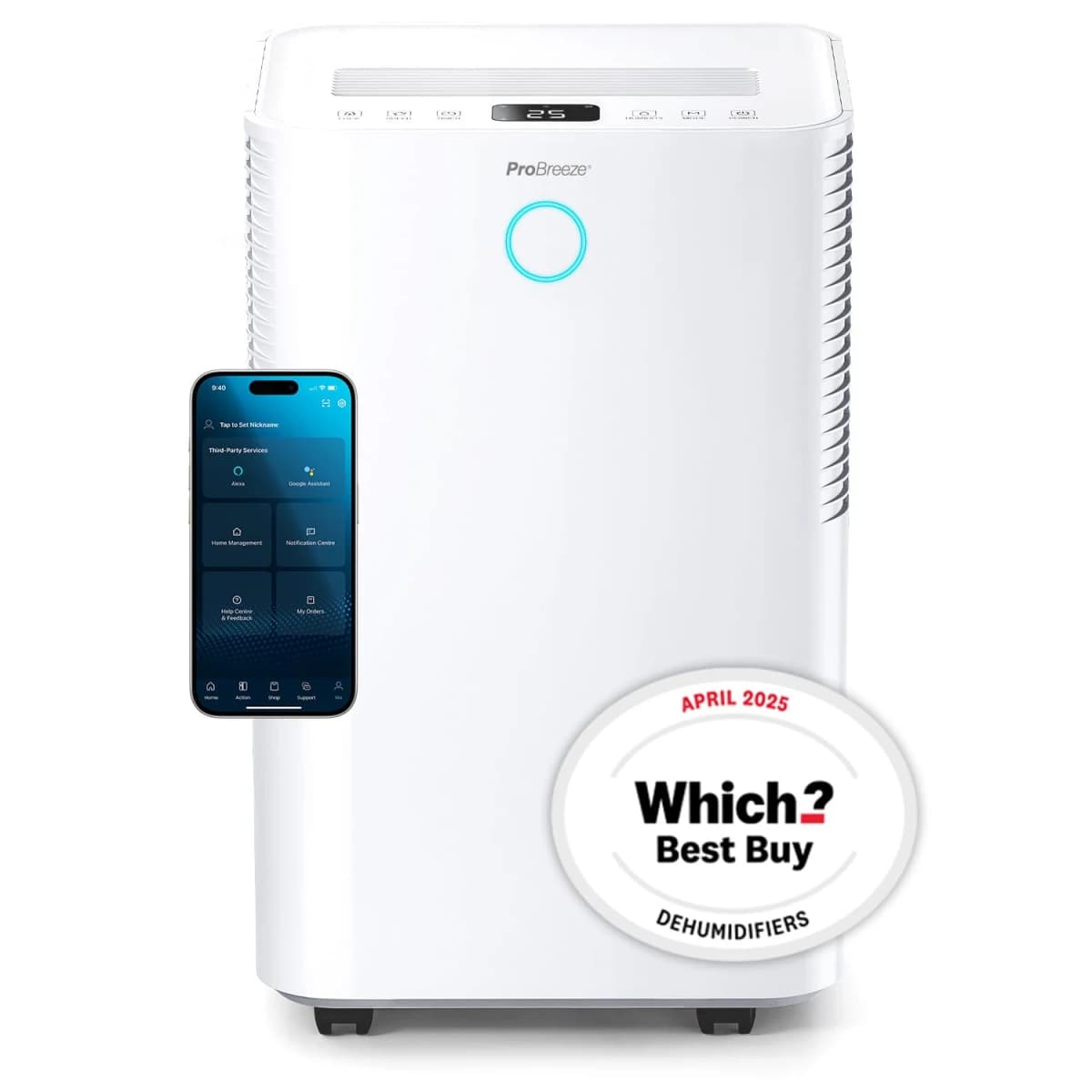
Pro Breeze 20L OmniDry WiFi Dehumidifier
The best value 20L dehumidifier for drying laundry and general damp control — a genuine Which? Best Buy winner that undercuts the Meaco Arete Two on price without giving up much capability.
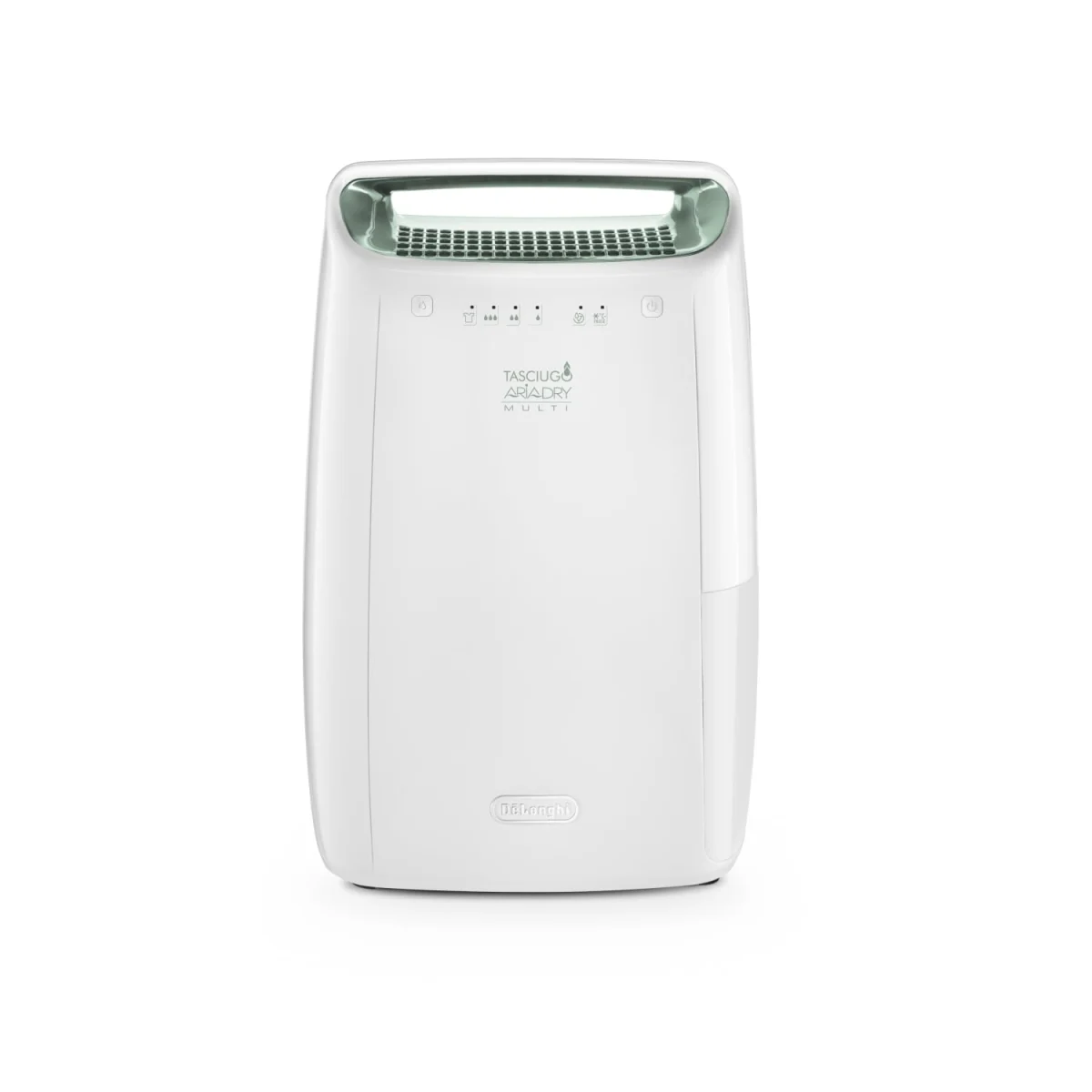
De'Longhi Tasciugo AriaDry DEX212SF
A quiet, well-filtered compressor dehumidifier that suits a bedroom or living room particularly well if allergy relief matters as much as damp control — the trade-off is a smaller tank and a premium price for what it does.
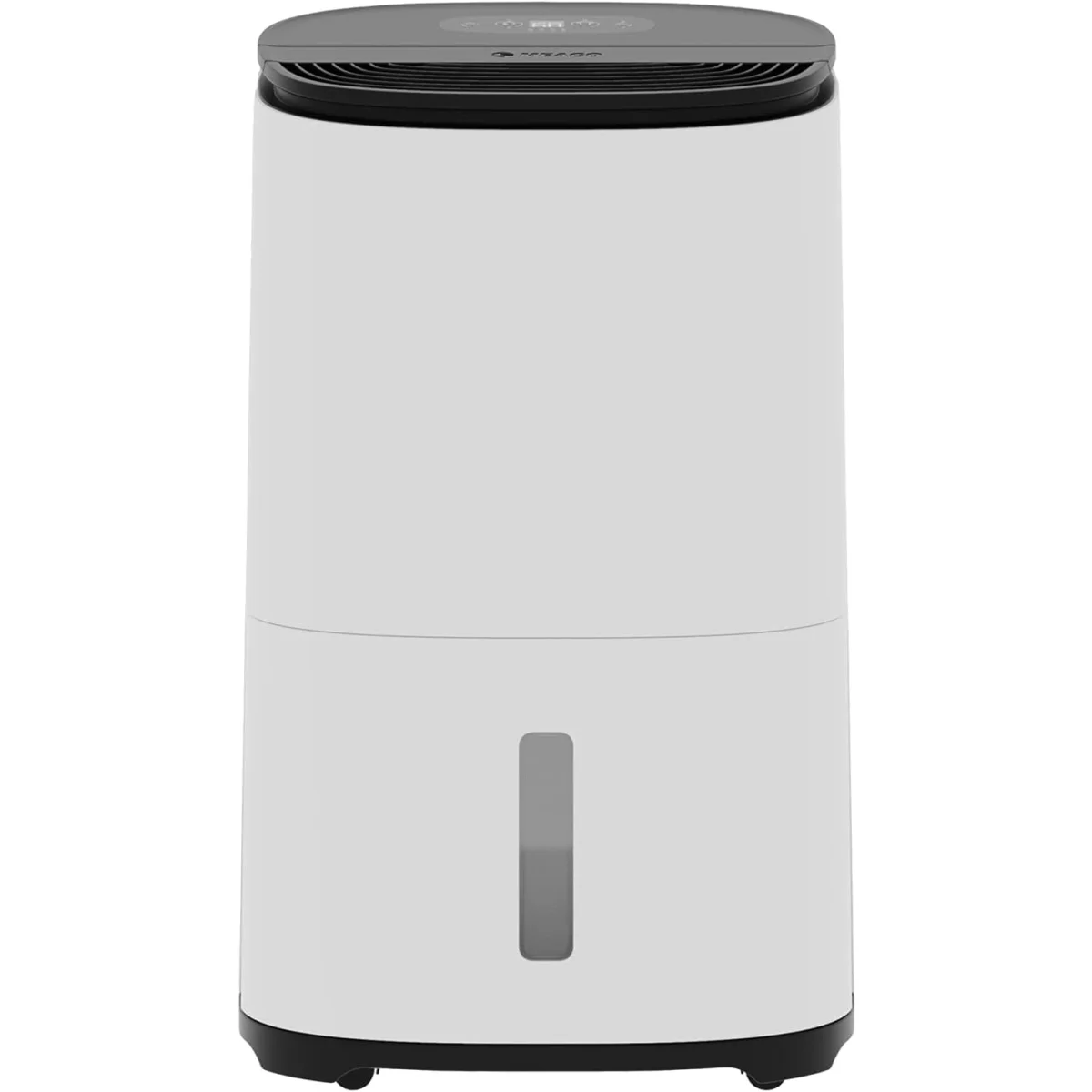
Meaco MeacoDry Arete One 20L
A quiet, well-built 20L model with Meaco's 5-year warranty and a HEPA filter, and the best fit for a family home that wants a long-lasting, set-and-forget dehumidifier without paying for Wi-Fi.
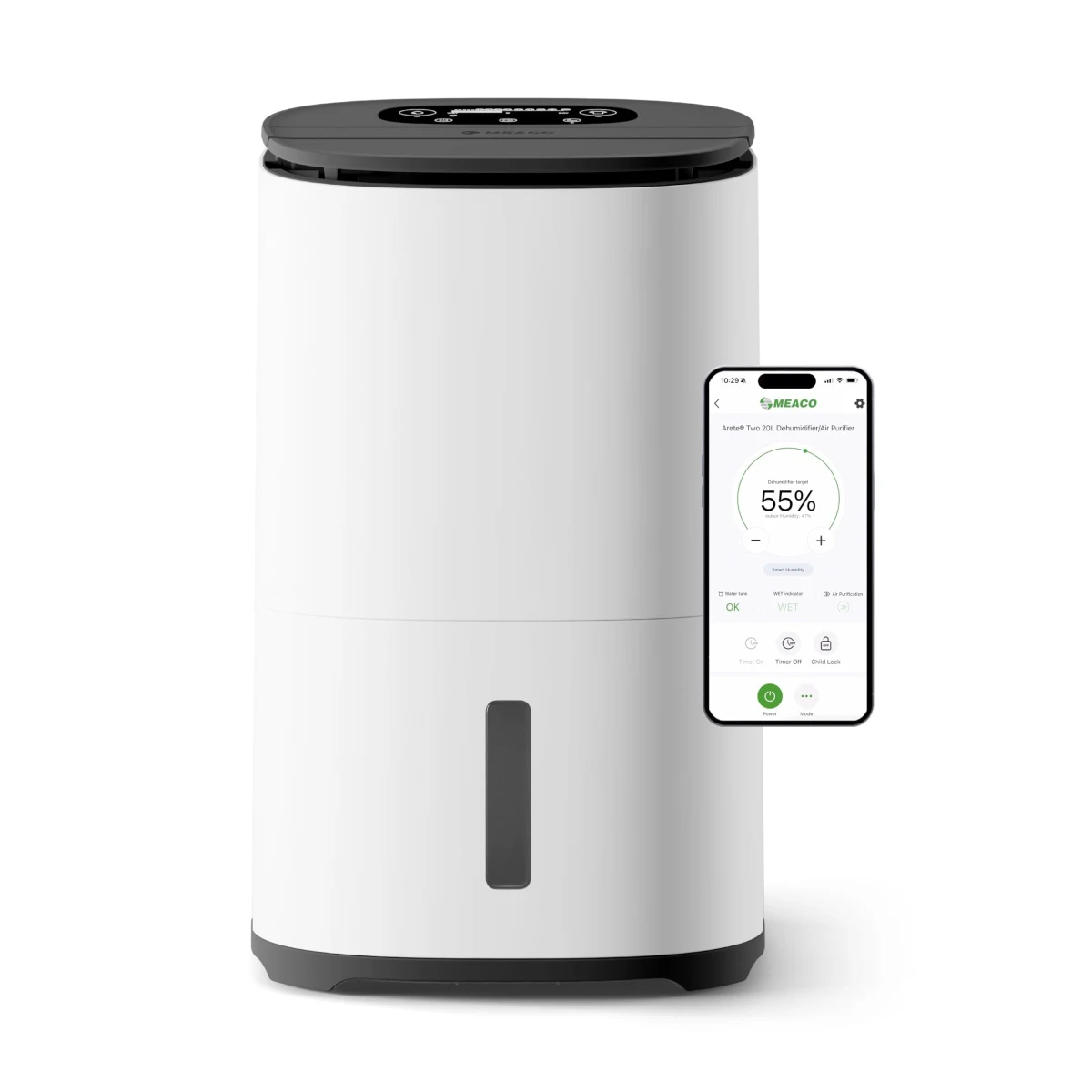
Meaco MeacoDry Arete Two 20L
The best all-round dehumidifier for a UK home battling condensation, damp or slow-drying laundry. If budget allows, this is the one we'd buy first.
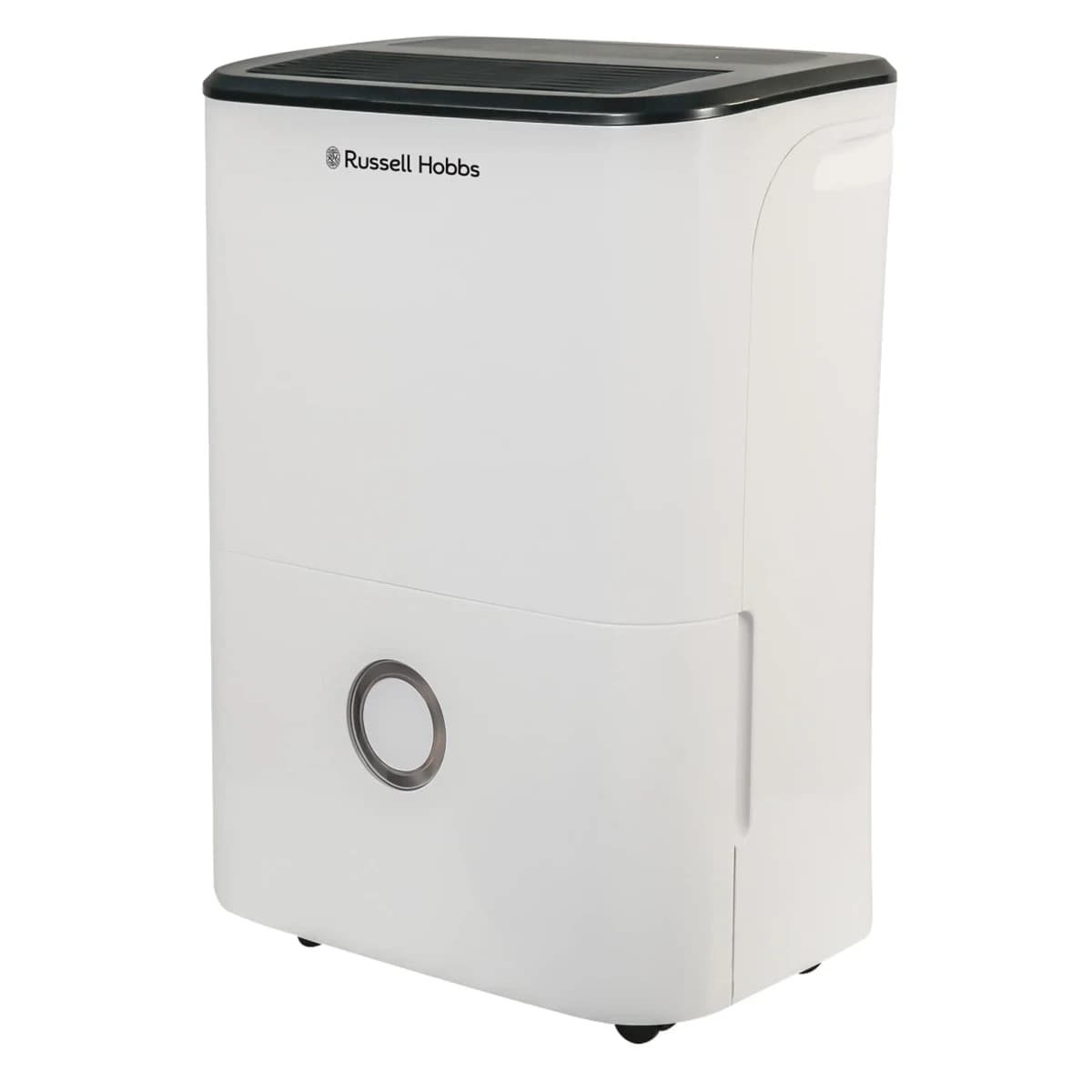
Russell Hobbs RHDH2002 20 Litre Dehumidifier
The best value 20-litre dehumidifier in this comparison — strong extraction power for a noticeably lower price, at the cost of running louder than the premium alternatives, so it's better suited to a living room, kitchen or utility room than a bedroom.
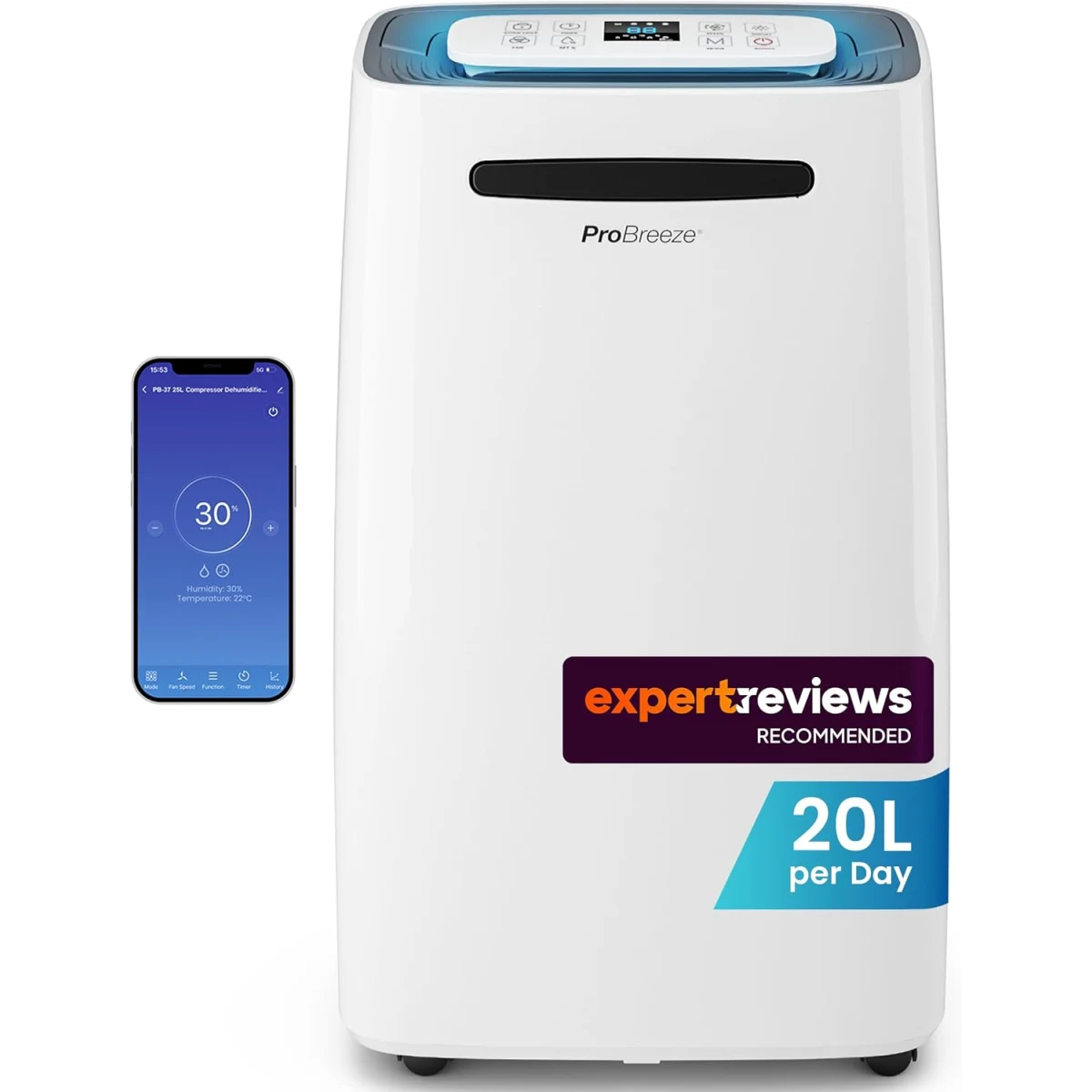
Pro Breeze 20L/Day Smart Dehumidifier
A feature-packed 20L compressor with Wi-Fi control, a large tank and a drain hose at a lower price than Meaco, best for a living room, utility room or garage where noise matters less than capacity.
Best Dehumidifier for Drying Clothes: the short list
- Top rated: Devola DVHA20L 20L/Day Hybrid Dehumidifier & Air Purifier (4.7/5).
- Size the unit to the room, and check the tank size against how often you are willing to empty it.
| Model | Type | Capacity | Tank | Noise | Rating |
|---|---|---|---|---|---|
| Devola DVHA20L 20L/Day Hybrid Dehumidifier & Air Purifier | Compressor | 20 litres/day | 2.89 litres | — | 4.7/5 |
| Meaco MeacoDry Arete One 12L | Compressor | 12 litres/day | 2.5 litres | 35 / 38 / 44 dB(A) across 2… | 4.6/5 |
| Ebac 2650E 18 Litre Dehumidifier with Air Purification and Laundry Mode | Compressor | 18 litres/day | — | — | 4.6/5 |
| Devola DV12L Low Energy Dehumidifier | Compressor | 12 litres/day | 2 litres | 36 dB(A) at full speed | 4.6/5 |
| Pro Breeze 20L OmniDry WiFi Dehumidifier | Compressor | 20 litres/day | 4 litres | Under 38 dB(A) | 4.5/5 |
| De'Longhi Tasciugo AriaDry DEX212SF | Compressor | 12 litres/day | 2.1 litres | 36 dB(A) | 4.5/5 |
| Meaco MeacoDry Arete One 20L | Compressor | 20 litres/day (rated at 30°C, 80% humidity) | 4.8 litres | 40 dB(A) on the lowest… | 4.5/5 |
| Meaco MeacoDry Arete Two 20L | Compressor | 20 litres/day | 4.8 litres | 38 / 40 / 50 dB(A) across 3… | 4.4/5 |
| Russell Hobbs RHDH2002 20 Litre Dehumidifier | Compressor | 20 litres/day | 3 litres | Approx. 47.5 dB(A) | 4.4/5 |
| Pro Breeze 20L/Day Smart Dehumidifier | Compressor | 20 litres/day | 5.5 litres | 42-48 dB(A) depending on… | 4.3/5 |
Why a dedicated laundry mode beats a standard dehumidifier setting
Drying laundry indoors is one of the single most common reasons UK buyers search for a dehumidifier — a load of washing left on an airer in a closed room without one can take 24-48 hours to dry, encouraging exactly the musty smell and mould risk a dehumidifier is meant to prevent. A dedicated laundry mode, rather than just running the unit on its normal humidity setting, is the feature that actually solves this quickly.
The mechanism is simple: laundry mode runs the compressor at full power for a fixed period (typically 6-8 hours depending on the model) regardless of the room's current humidity reading, rather than idling once a general comfort target like 50% is reached. Wet laundry pushes humidity far higher than a normal room, so a smart-sensor mode built for general comfort would switch off long before the clothes are actually dry — laundry mode exists specifically to override that and keep extracting until the timer runs out.
All four models compared on this page include a laundry mode, and the drying times are genuinely close across brands — the differences that matter more in practice are extraction rate (bigger units clear a full airer faster), tank size (how often you'll need to empty it mid-cycle) and running cost over a typical weekly laundry routine.
It's also worth understanding why this matters beyond convenience. Laundry left damp indoors for 24-48 hours doesn't just smell — it's a genuine mould and allergen risk, since the same excess moisture that slows drying also feeds mould spores and dust mites in the surrounding room. A dehumidifier with a proper laundry mode isn't simply a faster alternative to air-drying; it changes drying from a multi-day process with a real hygiene downside into a same-day one without it.
Every model's laundry mode, compared
[Meaco Arete Two 20L](/reviews/meaco-arete-two-20l/) (£299.99) — a full load dries in roughly 4-6 hours, the fastest of the four models compared here, thanks to its 20 litre/day extraction rate. Running cost is around 5p/hour, and Meaco's own estimate puts the saving at roughly £1 per load compared with a tumble dryer.
[Meaco Arete One 12L](/reviews/meaco-arete-one-12l/) (£179.99) — slower on a full load, at roughly 8-10 hours, since its 12 litre/day extraction rate is lower. Fine for a single airer's worth of washing overnight; a household drying laundry weekly in volume will find the 20L Arete Two pays for itself faster in time saved.
[Pro Breeze 20L OmniDry](/reviews/pro-breeze-20l-omnidry/) (£189.99) — matches the Meaco Arete Two almost exactly at 4-6 hours for a full load, extracting the same 20 litres/day, at roughly £110 less upfront. Its 4-litre tank is larger than the Meaco Arete One's, meaning fewer mid-cycle emptying interruptions on a big wash day.
[Ebac 2650E](/reviews/ebac-2650e/) (£315.00) — an 8-hour laundry drying boost, slightly longer than the two 20L rivals, but backed by Ebac's Intelligent Defrost, which matters if the drying space itself (a utility room, garage or unheated conservatory) runs colder than a normal living space.
Read the full reviews for the Meaco Arete Two, Meaco Arete One, Pro Breeze 20L OmniDry and Ebac 2650E for complete specification tables and detailed verdicts.
A worked comparison for a typical weekly wash. Assume one full airer load a week, year-round. At 4-6 hours per session, the Meaco Arete Two or Pro Breeze OmniDry costs roughly 20-30p in electricity per load at their quoted running costs — call it £15-20 a year. The Meaco Arete One, at 8-10 hours per session but a lower per-hour cost, lands in a broadly similar annual range despite the longer cycle. Against a typical tumble dryer cycle, Meaco's own estimate of roughly £1 saved per load works out to over £50 a year for a weekly laundry routine — the running-cost gap compounds meaningfully once you're not just comparing single-session numbers.
What to check before buying a dehumidifier for laundry
Extraction rate over everything else. For laundry specifically, a higher litres/day figure translates fairly directly into faster drying — if you regularly dry a full multi-airer load, a 20L unit (Meaco Arete Two, Pro Breeze OmniDry, or the 18L Ebac 2650E) will consistently outperform a 12L unit like the Arete One on time alone.
Tank size and mid-cycle emptying. A laundry-drying session pulls a large volume of water out of the air in a short window, so tank size matters more here than for general room dehumidifying. The Pro Breeze OmniDry's 4-litre tank goes longer between emptying than the Meaco Arete One's 2.5-litre tank on a heavy wash day.
Room setup. Close the door to the room, position the unit centrally with clearance on all sides for airflow, and keep the clothes airer a reasonable distance away rather than pressed directly against the unit — restricted airflow around either the dehumidifier or the laundry itself slows drying regardless of how powerful the unit is.
Running cost vs a tumble dryer. Every model here runs on a few pence an hour of electricity — Meaco estimates roughly £1 saved per load compared with a tumble dryer, before accounting for the tumble dryer's own wear, lint filter maintenance and higher per-cycle energy draw. Over a household doing several loads a week, that adds up meaningfully across a year.
Cold or unheated laundry spaces. If washing is dried in a utility room, garage or conservatory that isn't consistently heated, a standard compressor unit will lose effectiveness below roughly 10°C — Ebac's Intelligent Defrost, rated to 3°C, is the strongest choice among the models compared here for that specific scenario.
Warranty for heavy, regular use. A household drying laundry indoors every week accumulates far more running hours per year than one using a dehumidifier occasionally — Meaco's 5-year warranty is a genuinely more valuable safeguard under that usage pattern than a 1-2 year warranty from a cheaper rival.
Combining laundry mode with general humidity control. None of the four models here are single-purpose laundry machines — outside of a wash day, the same unit switches back to a smart humidity sensor mode for everyday damp and condensation control. If you're choosing primarily for laundry but also want the unit to double up on general room dehumidifying the rest of the week, the buying criteria converge: a 20L unit with a long warranty (Meaco Arete Two) or the same capacity at a lower price (Pro Breeze OmniDry) covers both jobs well.
Which brand dries laundry best
[Meaco](/meaco-dehumidifier/) vs [Pro Breeze](/pro-breeze-dehumidifier/) are essentially tied on raw laundry-drying speed at the 20L capacity — both clear a full load in 4-6 hours. Pro Breeze's OmniDry is around £110 cheaper and has a larger tank (4L vs Meaco's implied smaller tank at this capacity), while Meaco wins on warranty length (5 years vs 1) and is the quieter of the two if the laundry room shares a wall with a living space.
Ebac is a notch slower on paper (8-hour boost vs 4-6 hours for the 20L rivals) but is the strongest choice specifically if the drying space itself is cold — a garage, unheated utility room or conservatory. Its Intelligent Defrost keeps working down to 3°C where the other three models in this comparison would start losing effectiveness.
The short version. For a normally heated utility room or kitchen drying laundry regularly, the Pro Breeze 20L OmniDry offers the fastest drying for the lowest price. If warranty length matters more, the Meaco Arete Two matches its speed at a higher price with 5 years of cover. For a cold, unheated drying space, the Ebac 2650E is the only one of the four built specifically to keep working effectively there.
Which model fits your laundry routine
Drying a full multi-airer load weekly in a normally heated room. The Pro Breeze 20L OmniDry or Meaco Arete Two 20L are both strong picks — near-identical drying speed, choose based on whether price (Pro Breeze) or warranty (Meaco) matters more to you.
Occasional single-airer drying in a small flat. The Meaco Arete One 12L is more than adequate for one or two items overnight, at a lower price and running cost than either 20L option.
A cold utility room, garage or conservatory. The Ebac 2650E is the strongest fit — Intelligent Defrost keeps it effective in a space where the other three models would gradually lose extraction power as temperature drops.
A household replacing a tumble dryer entirely. Size up rather than down — a 20L unit (Meaco Arete Two or Pro Breeze OmniDry) will handle a genuinely heavy laundry routine far better than a 12L unit stretched beyond its comfortable capacity.
Renters or flat-share households without space for a tumble dryer. A dehumidifier with a laundry mode takes up a fraction of the floor space of a tumble dryer and needs no venting or plumbing — the Meaco Arete One 12L in particular is compact enough to store in a cupboard between wash days rather than needing a permanent utility-room footprint.
What buyers say about drying laundry with these dehumidifiers
Our verdict draws on the pattern across verified Amazon.co.uk reviews that specifically mention laundry or drying-clothes use, cross-checked against each manufacturer's own laundry-mode specifications — the same approach we take across every comparison on this site.
The most repeated praise across all four brands is the elimination of the musty smell that comes from slow air-drying — reviewers consistently describe this as the single biggest quality-of-life improvement, ahead of the numeric drying-time figures on the spec sheet. The second most-cited benefit is the running-cost comparison against a tumble dryer, particularly among reviewers who specifically bought the unit to reduce reliance on one.
The most repeated criticism, specific to laundry use, is tank capacity on the smaller units — reviewers running the Meaco Arete One or similar smaller-tank models on a heavy wash day report having to empty the tank mid-cycle, which interrupts the laundry-mode timer and can extend the effective drying time beyond the quoted figure.
A secondary theme worth flagging is placement feedback — several reviewers across brands report slower-than-expected drying times on their first attempt, which usually traced back to the airer being positioned too close to the unit (restricting airflow around the laundry itself) or the room door being left open, letting humid air escape into the rest of the house rather than being extracted. Reviewers who corrected placement after reading the manual consistently report drying times matching or beating the manufacturer's quoted figures.
Which dehumidifier for drying clothes should you buy
If you want the fastest drying at the lowest price, the Pro Breeze 20L OmniDry is the strongest pick — matches Meaco's flagship on speed for roughly £110 less.
If you want the same speed with a longer warranty, the Meaco Arete Two 20L is the better long-term buy for a household drying laundry every week.
If you only dry one airer's worth occasionally, the Meaco Arete One 12L is cheaper to buy and run, at a slower but still perfectly workable drying speed.
If your drying space is cold or unheated, the Ebac 2650E is the only model in this comparison built specifically to keep working effectively there — see our full Ebac comparison for more detail, or browse the full best dehumidifier UK range for every model we've sourced.
Whichever model you choose, the same setup discipline applies: close the door to the drying room, give the unit clearance on all sides for airflow, keep the airer a sensible distance away rather than crowding it against the unit, and empty the tank as soon as it's full rather than letting the laundry mode cycle stop partway through unattended.
Frequently asked questions
How long does it take a dehumidifier to dry a load of laundry?+
For a full airer's worth, expect 4-6 hours with a 20L unit like the Meaco Arete Two or Pro Breeze OmniDry, or 8-10 hours with a smaller 12L unit like the Meaco Arete One. The Ebac 2650E's laundry boost runs for a fixed 8 hours.
What's the difference between laundry mode and just running the dehumidifier normally?+
Laundry mode runs the compressor at full power for a fixed period regardless of the room's humidity reading, rather than idling once a general comfort target like 50% is reached — wet laundry pushes humidity far higher than a normal room, so a standard smart mode would switch off before the clothes are actually dry.
Does drying laundry with a dehumidifier really save money over a tumble dryer?+
Meaco's own estimate puts the saving at roughly £1 per load compared with a tumble dryer, based on a running cost of a few pence per hour — before accounting for a tumble dryer's own energy draw, lint filter maintenance and wear over time.
Which dehumidifier dries laundry fastest?+
The Meaco Arete Two 20L and Pro Breeze 20L OmniDry are essentially tied at 4-6 hours for a full load, both extracting 20 litres/day. The Ebac 2650E's 8-hour boost is slightly slower but keeps working better in a cold, unheated drying space.
Can I dry laundry with a dehumidifier in a cold garage or utility room?+
Most compressor units, including the Meaco and Pro Breeze models compared here, lose efficiency below roughly 10°C. The Ebac 2650E's Intelligent Defrost, rated to 3°C, is the strongest choice among these four models for a genuinely cold drying space.
Does a dehumidifier actually help dry clothes, or is that a myth?+
It genuinely works, and the mechanism is simple: wet laundry releases moisture into the air as it dries, and a dehumidifier pulls that moisture straight back out rather than letting it saturate the room. That keeps the humidity gradient between the fabric and the air high, which is what actually drives evaporation — in a sealed, unventilated room without one, the air saturates and drying stalls out long before the clothes are dry.
How do you use a dehumidifier to dry clothes properly?+
Close the door and any windows in the room, position the airer so air can circulate freely around the clothes rather than pushed against a wall, place the dehumidifier a metre or so away pointing at the laundry, and switch to laundry mode if the unit has one — it runs at full power for a set time instead of idling once general room humidity looks acceptable. Spacing items apart on the airer rather than overlapping them speeds things up noticeably.
Sources and further reading
Related searches
Best dehumidifier for drying clothes UK — what to look for
The single most important spec is a dedicated laundry mode, which runs the unit at full power for several hours and boosts airflow toward the washing rather than the whole room. Both the Meaco Arete Two 20L and the Pro Breeze 20L OmniDry include this and typically dry a full airer's worth of washing in 4-6 hours.
Dehumidifier vs tumble dryer running cost
A dehumidifier running laundry mode for 6 hours costs roughly 30p-£1 depending on the model, versus £1-£1.50+ for an equivalent tumble dryer cycle on a standard UK electricity tariff — and it doubles as damp control for the rest of the house when you're not drying clothes, which a tumble dryer doesn't.
Explore more dehumidifier guides
17 dehumidifiers compared · Amazon.co.uk prices checked October 2026