How to Stop Condensation on Windows (and Stop It Coming Back)
Window condensation is warm, damp indoor air meeting cold glass. Here is why it happens, how to stop it, and when it points to a bigger damp problem.
Why windows get condensation
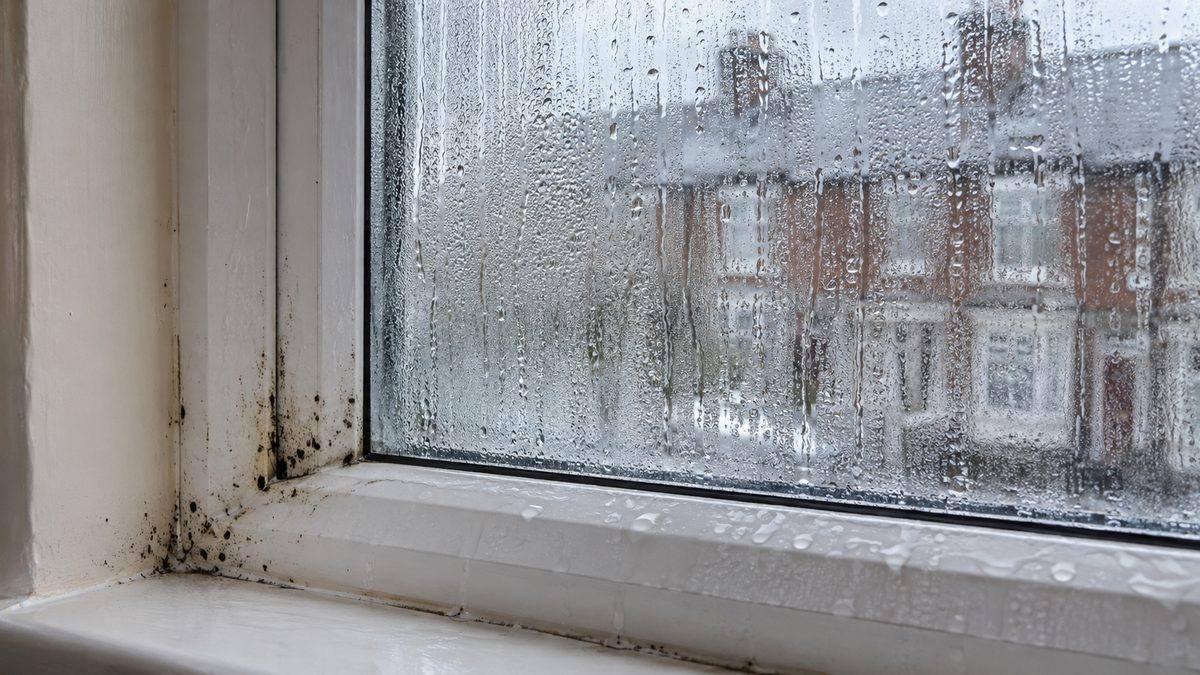
Air inside your home holds water vapour from breathing, cooking, showering and drying clothes. When that warm, moist air touches a cold surface such as window glass, it cools, can no longer hold as much moisture, and the excess turns into droplets. That is why you see it most on cold mornings in autumn and winter, and mostly on single glazing or older double glazing. A little condensation on a cold morning is normal. It becomes a problem when it is heavy, appears every day, or leaves black spots on window frames and sills, because the moisture feeds mould.
Quick fixes you can do today
These steps cut the moisture you add to the air and help it escape: 1. Wipe windows dry in the morning, so water does not run onto sills and frames. 2. Ventilate by opening a window slightly for 10 to 15 minutes when cooking or showering, or use the extractor fan, and keep trickle vents open. 3. Put lids on pans and keep the kitchen door closed while cooking. 4. Avoid drying wet clothes on radiators in living spaces. Use a vented room or a dehumidifier. 5. Keep a steady, gentle heat rather than short blasts, because cold surfaces are what trigger condensation. 6. Leave space around furniture against external walls so air can move.
Humidity: the number that matters
Condensation appears when indoor humidity is too high for the surface temperature. Aim for 40-60% relative humidity, with about 50% a comfortable target, and check it with a cheap hygrometer. See our guide on how to measure humidity in a room for how to read it and where to place it. If a room stays above 60%, condensation is likely to return however often you wipe the glass.
When a dehumidifier helps
If ventilation and heating are not enough, a dehumidifier pulls moisture out of the air, which stops condensation forming on glass and walls. It is especially useful in homes where you dry laundry indoors, in bedrooms with several people sleeping, and in older properties that are hard to keep warm. For most heated rooms a compressor model is the efficient choice. For a cold room or conservatory, a desiccant model keeps working at low temperatures. See our best dehumidifier for mould and damp and best dehumidifier for bedroom comparisons, and our desiccant vs compressor guide.
When it is more than condensation
Not all window moisture is condensation on the inside face of the glass. Look for these signs: - Misting between the two panes of a double-glazed unit means the seal has failed. A dehumidifier will not fix it; the sealed unit needs replacing. - Water on the outside of the glass is normal and not a sign of a problem. - Damp patches, peeling paint or black mould on walls near the window point to a bigger moisture problem such as a leak, a cold bridge or poor ventilation. If you rent and see damp or mould, report it to your landlord in writing and keep photos. Our guide on Awaab's Law, damp and mould explains your rights and the health risks of leaving it.
Prevent it coming back
The long-term fix is lowering the moisture your home produces and keeping surfaces warmer. Use extractor fans, fit trickle vents, avoid drying clothes indoors without ventilation, keep heating steady, and consider a dehumidifier through winter. Upgrading old single glazing to double or secondary glazing raises the glass temperature, so less condensation forms.
Ready to compare models? See our best dehumidifier for mould and damp comparison →
Frequently asked questions
Is condensation on windows bad?
A little on cold mornings is normal. Heavy, daily condensation is a sign of high indoor humidity and can lead to mould on window frames, sills and nearby walls, so it is worth acting on.
Why is there condensation on the inside of my windows in winter?
Warm, moist indoor air cools when it touches cold glass and turns into water droplets. Cooking, showering, breathing and drying clothes indoors all add moisture, and cold glass is the first surface where it condenses.
Will a dehumidifier stop window condensation?
It usually reduces it a lot, because it lowers the moisture in the air. It works best alongside ventilation and steady heating. It will not fix misting between double-glazed panes, which is a failed seal.
What humidity level stops condensation?
Aim for 40-60% relative humidity, with about 50% a comfortable target. Condensation and mould become more likely when a room stays above 60%.
Should I leave windows open to stop condensation?
Briefly opening windows for 10 to 15 minutes when cooking or showering helps moisture escape without cooling the home too much. Trickle vents give gentle continuous ventilation.